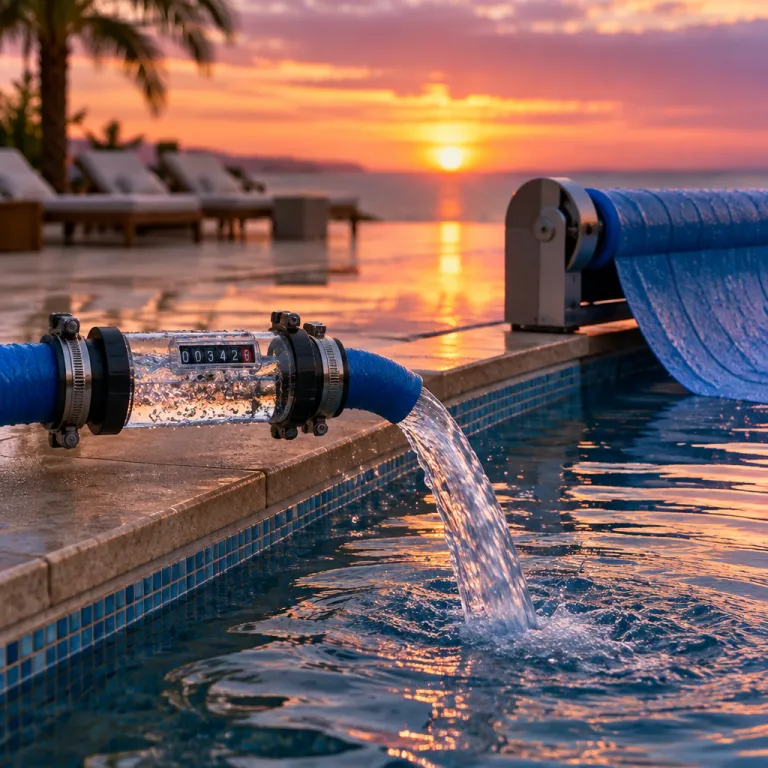
Why the pool is the hardest sustainability problem in luxury hotels
The pool is usually the thirstiest amenity in any serious luxury hotel. A single elevated basin of shimmering water can hold hundreds of cubic metres, and that volume quietly drives energy use, chemical demand and long term water consumption every hour of your stay. When you book a high end resort for business and leisure travel, the pool is often the image that sells the stay, yet it is also the feature with the most stubborn environmental impact.
Think about the classic infinity edge over a tropical bay or on a dry island; the view is extraordinary, but every square metre of exposed water accelerates evaporation and forces constant top ups from local supplies. In warm, windy climates, studies cited by the U.S. Department of Energy suggest that an uncovered outdoor pool can lose 3–5 millimetres of water per day, which adds up to tens of thousands of litres per year for a typical hotel pool. Heating that water for year round comfort, circulating it through pumps and filtration, and maintaining pristine clarity for wellness focused guests all require energy that is rarely fully energy efficient.
Luxury hotels that take sustainability seriously now treat the pool as an engineering project rather than a decorative afterthought. Engineers model water conservation scenarios, calculate the environmental impact of each design choice and consider how to reduce chemical loads without compromising hygiene or guest safety. For a frequent water guest who expects both luxury and sustainable tourism standards, the question is no longer whether the pool looks good, but whether the hotel has built in sustainable practices that make every swim a more earth friendly experience.
How sustainable luxury pools actually reduce water use
Behind a calm sheet of water, the most progressive luxury hotels are rethinking every stage of the pool cycle. Closed loop filtration systems reduce the need for constant draining, while natural filtration beds and planted regeneration zones use nature itself to help clean the water. In coastal or arid resort locations, some properties now pair desalination with careful water conservation measures so that the pool does not compete directly with local communities for scarce freshwater.
Rainwater capture is becoming a quiet hero of sustainable luxury hotel pool water use, especially where roofs and terraces can feed storage tanks. That stored rainwater can be filtered and blended into the pool system, lowering overall water consumption and easing pressure on local infrastructure in both single hotel sites and larger resorts with multiple pools. When you read about a recycling program for pool backwash or greywater, you are seeing the behind the scenes work that turns vague eco language into measurable sustainable practices.
Third party certification matters here, because it separates real engineering from soft marketing around sustainability and eco friendly design. Schemes such as Green Key, EarthCheck and LEED assess water management, energy efficiency and waste, and a Green Key certified property has had its pool operations examined in detail rather than just praised for an ocean view. A case study often cited in industry forums is a Mediterranean resort that installed variable speed pumps and a heat recovery system, cutting pool energy use by around 30% and paying back the investment in three to five years through lower electricity bills. For a guest comparing luxury hotels, this kind of independently verified approach is far more useful than a generic sustainability statement.
Reading green claims when you book a pool centric stay
When you scroll through hotel listings, the pool images arrive first and the sustainability details, if they exist, are buried further down. A responsible water guest now needs to read those details with the same care they apply to room categories or suite layouts. The aim is not to punish every property with a large pool, but to distinguish between engineered sustainable luxury and a standard resort that has simply added a few eco buzzwords.
Look for specific references to water conservation systems, such as variable speed pumps, heat recovery from air conditioning, or a defined recycling program for backwash and greywater. Technical guidance from organisations such as the U.S. Environmental Protection Agency and the U.S. Department of Energy notes that variable speed pool pumps can reduce electricity use by 50–75% compared with single speed models, which directly lowers the carbon footprint of circulation. If a hotel mentions being LEED certified or highlights Green Key or EarthCheck recognition, that suggests a structured approach to sustainability rather than a one off gesture, especially when paired with information about local communities and local culture engagement.
Price can also be a signal, because genuinely energy efficient and low impact pools require investment in technology and design. A property that charges premium rates for a basic rectangle with a view, yet offers no transparency on environmental impact, is unlikely to be prioritising sustainability in its operations. By contrast, a resort that explains how it uses covers to reduce evaporation, optimises pump schedules and integrates pool water into landscape irrigation is showing you where part of the room rate has gone, and why its version of luxury is more aligned with sustainable tourism.
The business leisure guest: choosing a lower impact pool without losing the upgrade
Executives extending a work trip into a long weekend often treat the pool as their private reset button. After back to back meetings, the promise of an ocean view swim or a quiet lap pool beside a golf course can be the deciding factor between two hotels. The challenge is to keep that sense of reward while respecting the realities of sustainable tourism and the strain that heavy water use can place on local supplies.
Start by matching your priorities with the property’s design rather than its slogans, especially in water stressed island destinations or dense urban bay locations. If wellness is central to your stay, a slightly smaller pool with strong sustainability credentials may serve you better than a sprawling lagoon that evaporates water all day under direct sun. Many luxury hotels now publish sustainability reports that outline water management, energy efficient systems and engagement with local communities, and these documents are far more revealing than a single eco icon on a booking page.
Think about how you will actually use the pool during your stay, not just how it looks in photos. If you mainly swim short laps at dawn or take a quick twenty minute reset between calls, a compact, shaded pool with efficient heating and careful water conservation can deliver the same psychological benefit with a lower environmental impact. For a frequent business traveller, choosing a property that discloses annual water consumption per guest night or per square metre of pool surface is a practical way to align your decompression ritual with your professional commitment to responsible resource use.
What to ask and notice on site: from nature to neighbourhood
Once you arrive at a property, the pool becomes a live case study in sustainable luxury hotel pool water use. Pay attention to how the water feels and smells, because a well balanced system with modern filtration often needs fewer harsh chemicals and supports a more pleasant wellness experience. The surrounding landscape also tells a story, especially when native nature based planting reduces splash loss, shades the surface and connects the pool visually to the local environment.
Staff are usually proud to explain sustainability initiatives when asked respectfully, and a concise question about water conservation or the recycling program can open a detailed conversation. You might learn that backwash water irrigates the golf course at night, or that captured rainwater supports both the pool and parts of the garden, reducing the draw on municipal supplies. When a hotel team can speak clearly about sustainability, local culture partnerships and year round eco friendly operations, it signals that the pool is integrated into a broader environmental impact strategy rather than treated as an isolated amenity.
From your side, small choices during the stay can reduce your own impact without diluting the sense of luxury. Shorter showers before and after swimming, reusing towels sensibly and avoiding unnecessary splashing or overfilling in private plunge pools all contribute to lower water consumption. In the end, the king level suite with an ocean view or bay panorama feels more aligned with modern values when both hotel and guest treat water as a shared resource, not an endless backdrop for photos.
FAQ
How can I tell if a luxury hotel pool uses water responsibly ?
- Check for clear descriptions of efficient filtration, rainwater capture and reuse of backwash for irrigation.
- Look for independent labels such as Green Key, EarthCheck or LEED that audit water management as part of broader sustainable practices.
- Prefer hotels that publish simple metrics, such as annual water consumption per guest night, in their sustainability reports.
Are infinity pools always worse for sustainability than standard pools ?
- Infinity edges usually increase evaporation because water constantly spills over into a catch basin.
- Careful engineering, shading and covers can reduce losses, but exposed surface area still drives higher water use.
- A compact, well designed infinity pool can be reasonable, yet it rarely matches the efficiency of a smaller, covered pool.
Does choosing a hotel with a green certification really make a difference ?
- Recognised certifications such as Green Key, EarthCheck and LEED require hotels to meet defined criteria on water, energy and waste.
- For pools, this often means better filtration, reduced chemical use and systems that lower water consumption over time.
- Certification does not make a pool impact free, but it increases the likelihood that sustainability has been engineered into the design.
What questions should I ask a hotel about its pool before booking ?
- Ask how the pool water is sourced, treated and reused, and whether any recycling program exists for backwash or greywater.
- Check if the same conservation systems operate year round or only in peak season.
- Request examples of recent upgrades, such as variable speed pumps or heat recovery, that reduce environmental impact.
Can a large resort pool ever be considered sustainable ?
- A very large pool will always have a noticeable footprint, but smart design can reduce its relative impact.
- Closed loop filtration, efficient pumps, shading, rainwater capture and integration with landscape irrigation all help lower water use and energy demand.
- When these measures are combined with support for local communities and local culture, a resort can offer a more responsible version of the classic pool centred stay.