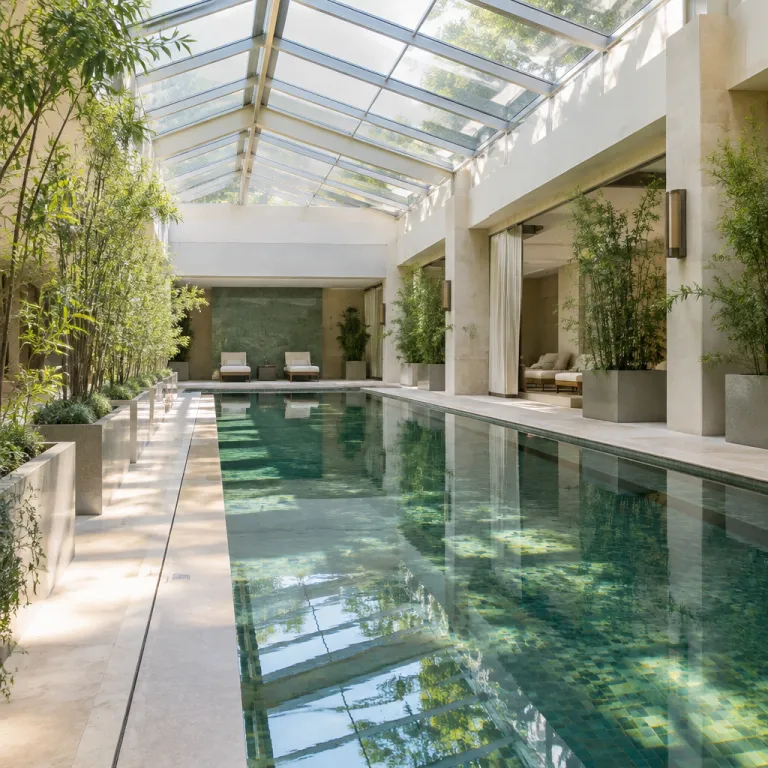
From forgotten basement to luxury’s most underrated room
The quiet revolution in luxury indoor pool hotel design is happening below the headline views. As cold climate destinations stretch their seasons and shoulder months fill with business leisure guests, the enclosed swimming pool is shifting from rainy day fallback to the room that quietly defines a stay. In the best luxury hotels, the indoor pool now competes with the grand lobby and signature dining room for design attention.
Cold weather and shoulder season demand are driving this change in a very practical way. When the outdoor deck is closed and the infinity pool is too exposed to wind, the indoor pool becomes the amenity that actually gets used after a late flight or a long day in the center of a financial district. For travelers who book high end rooms suites for both work and living, that reliable indoor swimming ritual at night is often more valuable than a view they only see at breakfast.
Residential trends are reinforcing the shift on the hotel side. In prime urban markets in the United States and Europe, wealthy homeowners now treat the private swimming pool as a health investment rather than a decorative feature, and architects respond with design driven wellness spaces that feel like sanctuaries. A 2023 Knight Frank Wealth Report, for example, notes that homes with well integrated pools can command price premiums of 10–25 percent over comparable properties without a pool, especially when the pool design is visually connected to main living areas rather than hidden, and hotels are reading the same appetite for year round aquatic comfort.
That residential mindset is reshaping how you should read a hotel pool photo when you book. Ask whether the indoor pools are positioned as a true destination room, or whether the main content of the marketing still leans on a single outdoor infinity pool shot at sunset. When you see a property where the indoor pool, the hotel pool terrace and the pool suite layouts all share the same materials and design ideas, you are usually looking at a place that understands how you actually travel and swim.
The Park Gstaad, a Four Seasons hotel opening with 75 suites and both indoor and outdoor pools, is a clear signal of this new balance in Alpine hospitality. Here the enclosed swimming pool is planned as a glass framed room with a direct relationship to the mountains, not a hidden leisure center under the spa. That parity between indoor pool and outdoor pool design is exactly what frequent travelers should now expect from serious luxury hotels, just as they might from headline properties such as Burj Al Arab in Dubai, where the hotel pool is treated as a signature architectural gesture.
The architecture of an enclosed swim that feels genuinely grand
A truly memorable indoor pool starts with architecture, not with underwater lighting tricks. Height, proportion and the way your foot meets the stone at the water’s edge matter more than any Instagram friendly feature wall. When you walk from your room to the swimming pool, the transition should feel like entering a calm, awe inspiring gallery rather than a municipal leisure center.
Natural light is the first non negotiable in contemporary luxury indoor pool hotel design. The best indoor pools use tall glazing, clerestory windows or even skylights to pull daylight deep into the room, so the water reads as a living surface that changes from morning to night. Architects in cold climates now treat the enclosed hotel pool as a winter garden, framing views of snow, city roofs or forest while keeping the air temperature and humidity perfectly controlled.
Materials are the second test of seriousness. If the finishes remind you of a basic sports center, the design has failed, no matter how many pools the property offers. Look instead for stone that continues from the spa corridors into the pool suite terraces, timber ceilings that soften acoustics, and textiles such as heavy Turkish cotton towels that signal warmth the moment you step out of the indoor swimming area.
Lighting completes the architecture, especially for the business traveler who swims late. Circadian friendly LEDs can shift from bright, functional light in the morning to a softer, more theatrical glow at night, turning the indoor pool into a quiet retreat after dinner. When you book, pay attention to photos taken at dusk; they reveal whether the hotel has considered how the room feels when the city outside has gone dark.
Wellness focused design ideas are also migrating from private homes into hotels. Designers talk about biophilic principles, which means bringing natural textures, plants and even soundscapes into the pool room so it feels connected to the landscape beyond the glass. Thermal contrast circuits, with a hot indoor pool, a cold plunge and a steam room arranged in a logical foot path, turn a simple swim into a ritual that justifies staying in rather than searching for nightlife.
For families stretching a work trip into a long weekend, this kind of thoughtful indoor pool layout can be the difference between a cramped stay and a genuinely relaxing one. Properties that understand shoulder season travel often pair the enclosed swimming pool with adjacent pet friendly lounges, so children, adults and even dogs have parallel spaces to unwind. If you are planning a fall escape, guides to autumn friendly pool hotels for families, such as the editorial feature on shoulder season pool hotels that finally work for families, are a useful filter for spotting this new generation of design driven indoor pools.
Indoor outdoor hybrids and the new choreography of the swim
The most compelling evolution in luxury indoor pool hotel design is the hybrid pool that blurs enclosure and exposure. These are the pools where you slip into warm water indoors, then glide under a glass screen to emerge into crisp mountain air without ever leaving the swimming pool. For travelers who value both comfort and drama, that choreography is often more memorable than any rooftop infinity pool in a tropical resort.
Architecturally, the key is the relationship between the indoor pool room and the outdoor terrace. Retractable walls, sliding glass panels and carefully aligned steps allow you to move from indoor swimming to open air lounging in just a few foot lengths, without breaking the thermal envelope. When this is done well, the indoor pools feel like extensions of the landscape, and the outdoor pools feel usable long beyond the traditional summer season.
Temperature management is crucial in these hybrids. Advanced climate control systems keep the indoor swimming air warm and dry, while the water itself can be held at a precise degree so that the transition to the outdoor section feels exhilarating rather than shocking. Hotels that invest in this level of engineering usually treat the hotel pool as a signature space, on par with their best dining room or top suite.
Designers are also rethinking circulation around the water. Instead of a single row of loungers, you might find stepped platforms, low level living areas and even fire features that allow you to sit within a few foot of the pool edge without feeling like you are in a gym. This creates multiple ways to inhabit the room, whether you are taking a quick lane swim before a meeting or reading at night while someone else does laps.
Heritage properties add another layer of interest to this hybrid approach. When an older hotel renovates a historic swimming pool, the most sensitive projects respect the original proportions while adding glass links to new indoor pool wings or spa centers. For a deeper look at how legacy hotel pools shape a property’s identity, the feature on the pool worth preserving in heritage hospitality offers a thoughtful lens that is useful when you evaluate renovation photos.
In urban luxury hotels, the hybrid often takes the form of a high floor indoor pool with floor to ceiling glass and a narrow outdoor ledge, rather than a full open air basin. Here the drama comes from the city itself, with the water reflecting towers and traffic as you swim parallel to the skyline. The best examples feel like private wellness centers suspended above the streets, and they reward guests who book rooms suites on the same level for a seamless robe clad commute.
What separates a destination indoor pool from a functional one
Not every enclosed swimming pool deserves a detour, and frequent travelers quickly learn to separate the merely functional from the truly destination worthy. A functional hotel pool is usually rectangular, shallow and overlit, with finishes that echo a public leisure center. A destination indoor pool, by contrast, is defined by proportion, silence and the sense that it was designed for a specific moment, such as a November dusk swim when the light outside has almost gone.
Proportion comes first. The room should feel generous in height and width, with enough length for a proper swim rather than a few perfunctory strokes, even if the pool itself is compact. When the ceiling is too low or the foot path around the water is cramped, the space reads as an afterthought, no matter how many luxury hotels marketing teams insist otherwise.
Acoustics are the second giveaway. In a well designed indoor pool, sound is controlled so that you hear a soft echo of water rather than a harsh clatter of voices and splashes. Materials such as timber, fabric panels and textured stone absorb noise, turning the room into a quiet retreat where you can swim laps or simply float without feeling like you are in a busy center.
Then there is the choreography of use. Destination pools anticipate how guests actually live and travel, with clear routes from rooms suites to the spa, from the pool suite terraces to private dining spaces, and from the water to changing rooms that feel like part of the same design language. When you can move barefoot from your suite to the indoor pool in a few steps, wrapped in thick Turkish cotton, you know the architect has considered the full experience.
Lighting and views complete the picture. A pool room that looks impressive at midday but turns flat at night will not earn repeat swims from business travelers who only reach the hotel pool after dinner. Look for design ideas such as layered lighting, framed views of city lights or mountains, and subtle reflections that make the water itself the main content of the space rather than a backdrop for furniture.
Finally, consider the supporting wellness features. Modern indoor pools often sit within a broader spa center that includes saunas, steam rooms and cold plunges arranged in a logical sequence, so that your body moves through heat and cool in a way that feels intentional. As one expert summary from the Pool & Hot Tub Alliance notes, “Are indoor pools expensive to build and maintain? Yes; high cost from construction, climate control, maintenance”; that investment only makes sense when the pool is conceived as a complete wellness journey rather than a single amenity.
How to read pool design when you book your next stay
For the business leisure traveler, the enclosed swim is often the only amenity that fits into a tight schedule. You may arrive late, leave early and still manage twenty minutes in the indoor pool between emails and room service. Learning how to read luxury indoor pool hotel design from photos and floor plans will help you choose hotels where that short swim feels like a genuine reset.
Start with the basics of pool design. Check whether the hotel shows both indoor and outdoor pools, and whether the images of the indoor swimming area feel as considered as the rooftop infinity pool shots. If the property only highlights a single hotel pool with a dramatic skyline and hides the enclosed room, you can safely assume the indoor pool is functional rather than inspiring.
Next, look at how the pool connects to the rest of the hotel. Floor plans that place the indoor pool near the spa center, fitness areas and a quiet dining lounge usually indicate a design driven approach, where the swim is part of a broader wellness circuit. When the pool is buried at basement level with no natural light and a long, awkward route from the rooms suites, it is unlikely to become the highlight of your stay.
Pay attention to details that signal comfort. Thick Turkish cotton robes in the photos, warm toned materials underfoot and seating that looks more like living room furniture than gym loungers all suggest that the hotel expects you to spend time here, not just pass through. Pet friendly policies near the pool zone, clearly marked skip main access routes for guests with mobility needs and thoughtful touches such as water stations at foot level show that the design has considered different ways of using the space.
Location still matters, of course. In the United States, coastal resorts and desert retreats often lean on outdoor pools, while mountain and city center properties increasingly treat the indoor pool as their signature. If you are planning a pool focused escape, curated guides such as this elegant overview of the best hotel pools in Orlando for a memorable stay can help you filter options before you book.
Finally, consider your own rhythm of travel. If you tend to swim at night, prioritize hotels where the indoor pool is open late and clearly designed for evening use, with calm lighting and easy access from your suite. If you travel with family or colleagues, look for properties that offer both a quiet lap pool and a more social hotel pool, perhaps with a separate pool suite wing or an infinity pool outdoors, so everyone can find their own version of the perfect enclosed swim.
FAQ
Are indoor pools in luxury hotels more expensive to maintain than outdoor pools ?
Indoor pools in luxury hotels are generally more expensive to build and maintain than outdoor pools because they require complex climate control, dehumidification and waterproofing systems. The structure around the swimming pool must handle constant humidity without damage, which adds to construction cost. Industry estimates from North American pool engineering firms suggest that enclosing a hotel pool can add 30–50 percent to upfront construction budgets compared with a similar outdoor basin, and annual operating costs can be significantly higher. However, hotels accept this investment because indoor pools offer year round use and attract guests in cold or shoulder seasons.
How can I tell if an indoor pool will feel relaxing rather than like a public leisure center ?
Look closely at photos of the pool room before you book. Relaxing indoor pools usually feature natural light, generous ceiling height, warm materials and soft acoustics, while basic leisure center style pools rely on harsh lighting and hard tiles. If the design language of the indoor pool matches the suites and dining spaces, you are more likely to experience it as a calm retreat.
Do indoor pools add real value to a luxury hotel stay for business travelers ?
For business travelers, an indoor pool can be one of the few amenities that fits into a tight schedule, especially when outdoor pools are closed in colder months. A short swim before breakfast or at night can offset long flights and meetings more effectively than many spa treatments. Hotels that place the indoor pool near rooms suites and the fitness center tend to see higher guest usage and stronger loyalty.
What wellness features should I expect around a high end indoor pool ?
High end indoor pools are often integrated into a broader wellness center that includes saunas, steam rooms, cold plunges and hydromassage showers. Many luxury hotels now design thermal circuits that guide you from warm water to cool experiences in a deliberate sequence. Natural finishes, quiet relaxation areas and high quality Turkish cotton towels are further signs of a serious wellness offering.
Are indoor pools becoming more important than outdoor pools in luxury properties ?
Indoor pools are not replacing outdoor pools, but they are gaining equal importance in many luxury properties, especially in cold climates and dense urban centers. As travelers seek reliable wellness experiences throughout the year, hotels are investing in indoor pool architecture that feels as grand and photogenic as any outdoor infinity pool. This shift means the enclosed swim is now a key factor when discerning guests choose where to stay.