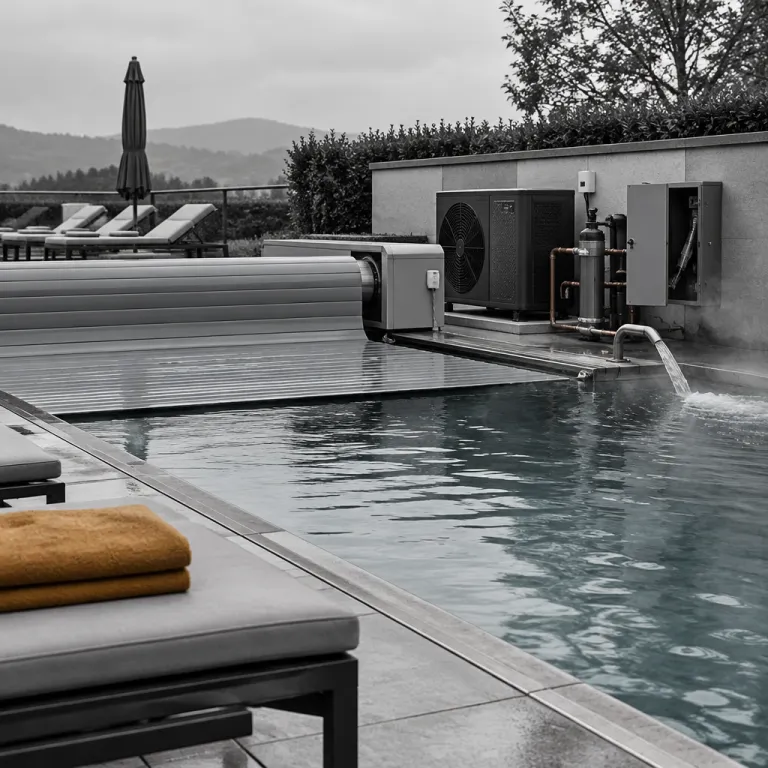
Why the smartest hotel pools feel effortless, not flashy
The most sophisticated smart hotel pool heating and automation technology is almost invisible. Instead of a talking robot by the loungers, the real luxury is a swimming pool where the water temperature is perfect at sunrise because a quiet control system has already balanced heat, pumps and filtration overnight. When a property gets this right, you feel it in the first length, not in an app demo.
Behind that apparently simple swim sits a layered system of pool automation, where sensors track pool water chemistry, air conditions and guest patterns to schedule heating systems and circulation pumps with precision. These platforms orchestrate every piece of pool equipment, from variable speed pump motors to commercial heat pump units and central monitoring dashboards, so the swimming season stretches far beyond the traditional warm months. For guests, the experience is a year round sense of readiness, with no visible maintenance drama, no staff rushing to adjust valves and no awkwardly cold first dip.
For a luxury or premium hotel, this infrastructure is not just about comfort; it is about energy efficiency and long term operating stability. Smart pool heating and filtration systems reduce energy costs by running pumps and heat pumps at lower speeds for longer periods, which improves efficiency while protecting equipment from stress. Industry studies from organizations such as the U.S. Department of Energy and the U.K. Carbon Trust consistently report that variable speed pumps can cut electricity use by roughly 50–70% compared with single speed models, and modern commercial pool heat pumps from leading manufacturers like Pentair or Hayward often deliver a coefficient of performance (COP) in the 4–6 range, meaning four to six units of heat for every unit of electricity. When you see a pool that is consistently inviting at 7 a.m., you are looking at a property that has invested in the best pool technology where it matters most, even if the tiles and loungers are what make the photos.
The invisible backbone: heating systems, pumps and predictive control
What separates a merely pleasant hotel pool from a genuinely elevated one is the way its heating systems, pumps and control logic work together in the background. A modern smart hotel pool heating strategy uses predictive software that learns when guests actually swim, then preheats the pool water just in time rather than blasting heat all day. This reduces energy costs while keeping the swimming pool ready whenever guests step out of their rooms.
At the technical level, a central control system coordinates multiple systems of pool equipment, including circulation pumps, filtration, chemical dosing and one or more heat pump units sized for commercial hospitality use. These heat pumps pull warmth from the surrounding air, then transfer that heat into the pool water with impressive energy efficiency, especially when paired with darker finishes that retain heat between cycles. Because the automation platform constantly tracks water temperature, air temperature and occupancy data, it can fine tune pool heating and filtration schedules to maintain comfort with minimal energy input.
For travelers, the benefit is subtle but powerful; the pool simply feels right, morning and night, shoulder season or high summer. Hotels that pair predictive sensors with digital twins and advanced monitoring, as explored in this guide to predictive sensors and self correcting hotel pools, are pushing this even further, using simulations to prevent issues before guests notice. In one widely cited case study from a European resort group reported in industry energy benchmarking conferences, adding smart controls and high efficiency heat pumps cut pool energy consumption by around 30% while improving average water temperature stability. When you find a property where the pool heat is always on point and the water looks effortlessly clear, you are seeing the quiet competence of automation rather than a lucky day.
Technical snapshot: what “smart” usually includes
In many upscale hotels, a serious pool automation setup typically combines:
- Digital sensors for pH, ORP (oxidation-reduction potential), water temperature and flow, plus outdoor air temperature and humidity.
- Variable speed circulation pumps in the 3–15 hp range, modulated to match real-time demand.
- Commercial air-source heat pumps sized to maintain setpoints of about 27–29°C (80–84°F) for leisure pools.
- Control algorithms using time-of-day schedules, weather forecasts and occupancy patterns to preheat and then coast efficiently.
- Cloud dashboards that alert engineers before water chemistry or temperature drifts outside narrow target bands.
Extending the swimming season: comfort, climate and eco friendly gains
For pool obsessed travelers, the real magic of smart hotel pool heating and automation technology is how it stretches the usable swimming season in cooler destinations. Instead of closing the deck when evenings turn crisp, hotels with efficient heating systems and well tuned pool controls can keep the water temperature in the sweet spot for months longer. That means more shoulder season city breaks and mountain escapes where a dawn swim is part of the ritual, not a rare perk.
Energy savings are central to this shift, because heating pool water is one of the most energy intensive parts of running a commercial property. By combining variable speed pumps, high performance heat pumps and intelligent control monitoring, hotels can cut energy costs while maintaining or even improving comfort for guests. The best pool operations teams use automation to schedule pool heating around real demand, allowing the system to glide down when the deck is empty and ramp up before regular swimmers arrive.
This is also where sustainability and luxury finally align in a meaningful, eco friendly way. Properties that invest in efficient pool equipment and smart systems often see a strong return on investment over the long term, because lower energy use and reduced maintenance offset the initial cost. Independent analyses from national energy agencies and hotel engineering associations suggest that upgrading to efficient pumps and heat pumps can pay back in roughly three to seven years, depending on climate and usage. If you are comparing options in a destination famous for pools, such as when choosing the best Las Vegas hotel pool for a luxurious stay, look for hotels that talk about energy efficiency and year round swimming, not just cabanas and cocktails.
Reading the signs: how guests can spot serious pool automation
You do not need to see the mechanical room to understand whether a hotel has taken smart pool heating and automation seriously. Start with timing; if the pool is at a comfortable heat level right when it opens, that suggests a control system has preheated the water rather than staff reacting late. Consistency across the day and across the season is another clue, because manual systems tend to swing between too cool and too warm as weather changes.
Look at how the pool water behaves in quieter hours, especially early morning or late evening when air temperatures drop. A well managed swimming pool will hold its water temperature with minimal visible effort, thanks to insulated structures, efficient heating systems and pumps that circulate just enough to maintain quality. When you see staff constantly adjusting valves or adding chemicals by hand, it often signals that automation and control monitoring are limited, which can affect both comfort and long term maintenance.
Solo travelers who value quiet competence over spectacle can also pay attention to how the hotel talks about its facilities. Properties that mention pool automation, energy efficiency, eco friendly practices and year round swimming are usually more invested in infrastructure than in gimmicks. If you care about sustainability, cross check those claims with broader commitments to certified eco properties, such as the trends outlined in this analysis of how eco certifications are reshaping pool focused hotels, and you will quickly see which pools are truly future ready.
What this means for costs, maintenance and your stay
Behind every serene hotel pool photo lies a complex balance of cost, maintenance and guest expectations. Smart hotel pool heating and automation strategies help owners manage operating costs by running pumps and heat pumps more efficiently, which reduces both energy use and wear on equipment. Over the long term, this can free up budget for better design, improved loungers and extended services that guests actually notice.
From a maintenance perspective, integrated systems that combine pool automation, control monitoring and precise dosing reduce the need for emergency interventions. Instead of reacting to cloudy pool water or fluctuating water temperature, engineers receive alerts before issues escalate, allowing them to schedule work around guest patterns. This predictive approach protects the swimming season, keeps the pool heat stable and supports a smoother, quieter experience for travelers who simply want to swim without thinking about the machinery.
For you as a guest, the practical takeaway is straightforward; ask the right questions and read between the lines. When a hotel can speak clearly about its heating systems, energy savings, eco friendly measures and commitment to year round swimming, it usually signals a thoughtful approach to both comfort and sustainability. Over time, these investments in energy efficiency and automation deliver a strong return on investment for the property and a reliably excellent swim for you, whether you are chasing laps at dawn or floating under the last light when the water turns gold.
FAQ
How does smart pool automation change my experience as a hotel guest?
Smart pool automation improves your stay by keeping the swimming pool consistently comfortable without visible effort. Automated control of heating systems, pumps and water treatment maintains stable water temperature and clarity from early morning through late evening. You enjoy a reliable, ready to swim pool without noise, delays or maintenance interruptions around the deck.
Why do hotels use heat pumps instead of traditional heaters for pools?
Hotels increasingly use heat pumps because they move heat from the surrounding air into the pool water with much higher energy efficiency than direct resistance heaters. This reduces energy costs while still supporting a long swimming season, especially in mild or coastal climates. For guests, that means more year round access to warm pools without compromising eco friendly goals.
Can smart pool systems really extend the swimming season in cooler destinations?
Yes, well designed smart systems can significantly extend the swimming season in cooler regions. By combining insulated structures, efficient heating systems and predictive control that preheats before peak use, hotels can keep water temperature in a comfortable range for many extra weeks. This allows you to enjoy warm swims during shoulder seasons when traditional pools would already be closed.
How can I tell if a hotel has invested in serious pool technology, not just gadgets?
You can often tell by observing consistency and by asking a few targeted questions. If the pool is always at a pleasant heat level at opening time and remains stable as air temperatures change, that suggests robust automation and control monitoring. When staff can explain their approach to energy efficiency, eco friendly practices and year round operation, it usually indicates investment in infrastructure rather than surface level gadgets.
Does smarter pool technology make a stay more sustainable as well as more comfortable?
Smarter technology usually improves both sustainability and comfort at the same time. Automation allows hotels to run pumps and heating systems only as much as needed, which cuts energy use and operating costs while keeping the pool water in ideal condition. For guests who care about environmental impact, choosing properties that highlight energy savings and efficient pool equipment is a practical way to align values with a luxurious swim.