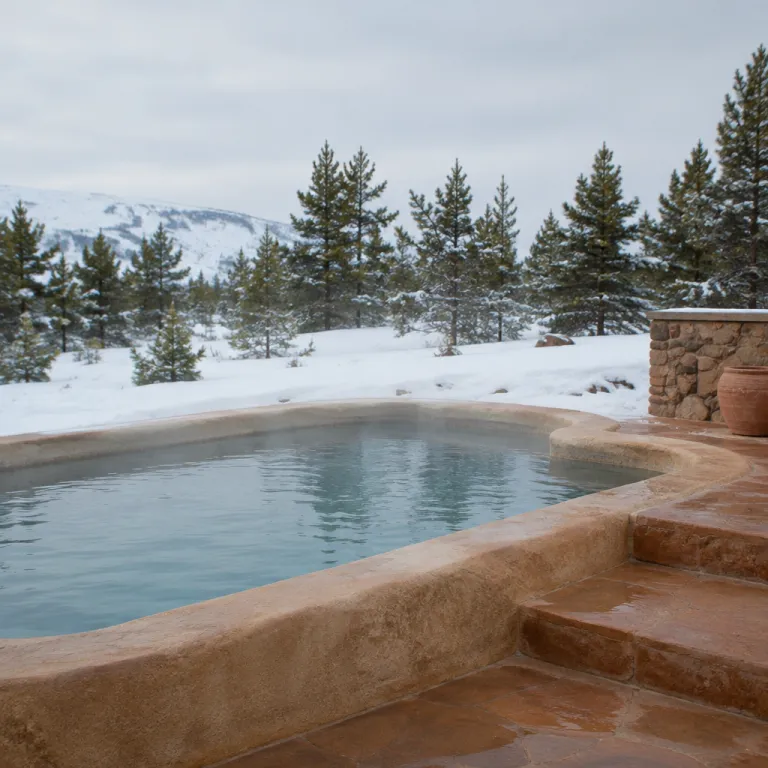
From harsh weather to hospitality ritual: how cold shaped warm water
Cold-climate thermal bathing culture did not grow from leisure alone. In places like Iceland, the combination of volcanic geology and long dark winters turned naturally hot water into everyday infrastructure, then into a refined form of hospitality. That is why many of the most memorable thermal pools sit in snow rather than beside palm trees.
Across the north, geothermal activity and mineral-rich hot springs created natural basins where people gathered long before any luxury spa architect arrived. Over time, these sites evolved into structured thermal baths and carefully designed swimming pools that anchor local bathing culture and social life. When you book a hotel swimming pool in such regions today, you are stepping into that continuum rather than a standalone amenity.
This is especially clear in culture Iceland, where everyday iceland swimming in neighborhood pools sits beside iconic destinations like the Blue Lagoon or the more intimate Secret Lagoon. The Blue Lagoon alone has welcomed well over a million visitors a year in recent seasons, while smaller municipal complexes in Reykjavik see hundreds of local guests on a typical winter day. Each lagoon or natural hot pool reflects a different layer of icelandic identity, from communal routines to high-end wellness escapes. For luxury travelers, understanding this pool culture turns a simple soak into a reading of place, climate and history.
Why volcanic water traditions matter for luxury hotel design
When a luxury hotel in a cold region takes cold-climate thermal bathing culture seriously, the swimming pool becomes a narrative device. Designers borrow from historic baths, from the way thermal water once flowed through stone channels or how hot springs steamed against snow-covered lava fields. The result is a sequence of thermal pools and spa rooms that feel rooted, not imported.
In and around Reykjavik, for example, several high-end properties now echo the social rhythm of public swimming pools rather than the hush of a generic resort spa. At the Retreat at Blue Lagoon, guests move through a circuit of warmer and cooler lagoons, saunas carved into lava rock and quiet relaxation rooms, mirroring the traditional thermal baths pattern that shaped bathing culture along the ring road and beyond. This choreography makes the health benefits of contrast bathing feel intuitive for families, not clinical.
For autumn and winter trips, this design thinking is transformative for Premium Family travelers. Children learn that hot water in a swimming pool is normal even when air temperatures drop, while adults appreciate how the architecture shields wind yet opens long views. Many well-designed hotels keep the walk from room to water under five minutes, with heated floors or covered walkways that make the journey feel like part of the ritual. When you evaluate properties for a cold-season stay, look for those that reference local cultural heritage and everyday iceland swimming habits rather than those that simply add a rooftop pool for marketing photos; curated autumn guides can help you read between the lines.
From communal necessity to intangible cultural heritage
Many of the world’s cold-climate thermal bathing traditions now sit close to the language of intangible cultural heritage. While not every swimming pool or spa is formally recognized, the logic is similar to how UNESCO and the United Nations frame living practices that bind communities. Regular bathing in thermal water is less about spectacle and more about continuity.
In culture Iceland, the daily ritual of meeting at neighborhood pools or driving a short distance along the road to a rural hot spring has become a social anchor. Families might spend a few minutes in a children’s swimming pool, then shift to warmer thermal pools where grandparents linger and talk, echoing patterns seen in other northern bathing culture hubs. This multi-generational rhythm is what many luxury hotels now try to translate into their own pool culture, with zones for play, quiet conversation and contemplative soaking.
For travelers, recognizing this heritage lens changes how you read a property’s promise. A hotel that references cultural heritage in its spa concept yet offers only a single rectangular pool may be borrowing language without substance. By contrast, properties that build layered thermal baths circuits, sometimes inspired by places like the Blue Lagoon or the newer Sky Lagoon, tend to align more closely with the evolving definition of luxury described in recent analyses of how tourism’s record year is reshaping what comfort and exclusivity mean at the hotel pool.
Design cues to look for when booking a cold climate pool stay
Reading cold-climate thermal bathing culture through design details helps you choose better hotels. Start with how the pool or pools relate to the landscape, especially in volcanic regions like Iceland where geothermal hot springs and lava fields define the horizon. A thoughtful property will frame water against rock, sky and snow, not just against glass and concrete.
Look for indoor–outdoor transitions that make moving from freezing air to hot water feel effortless for all ages. Some of the most successful family-friendly designs echo the semi-natural edges of a lagoon, with curved thermal pools and varying depths that recall the natural hot basins along the ring road. When a hotel references icons like the Blue Lagoon, the Secret Lagoon or the ocean-facing Sky Lagoon, check whether it also offers quieter corners where people can sit, talk and absorb the health benefits of slow bathing.
Families should also pay attention to circulation and timing. Can children move easily between a warmer swimming pool and calmer thermal baths within a few minutes, or does the layout turn every transition into a cold dash along an exposed road-style corridor? In well-planned complexes, lifeguards are on duty for most of the day, and water temperatures are clearly posted, often ranging from about 28–30°C in lap areas to 38–40°C in smaller hot pots. For more urban inspiration, even destinations without geothermal activity are rethinking their swimming pools to emulate this northern sensibility; design-led guides to where to swim in style show how carefully curated pool culture can travel.
Making cold season swimming feel natural for families
For Premium Family travelers, the real test of cold-climate thermal bathing culture is how it feels on a dark afternoon with tired children. In icelandic towns and along the ring road, families treat iceland swimming in hot water as a routine stop, not a special event. Luxury hotels that understand this will schedule lifeguards, snacks and warm indoor lounges around the swimming pool to support unhurried stays.
When you evaluate properties, ask how long it takes in real minutes to move from room to thermal pools, and whether sheltered paths keep people comfortable between baths. The best hotels in culture Iceland and other northern regions often mirror public swimming pools by offering multiple temperatures, shallow areas and clear signage about health benefits and etiquette. Many also publish family policies in advance, noting which hours are quiet, which slides or play zones are open and when evening lighting is dimmed to keep the atmosphere calm. This approach turns the spa from an adults-only zone into a shared living room where grandparents, parents and children can all enjoy the same bathing culture.
Cold-season trips then feel less like endurance tests and more like a series of warm interludes. You might drive a short stretch of road, check into a hotel near Reykjavik or deeper into Iceland, and spend the evening rotating between a family-friendly pool and quieter thermal baths. Over time, these rituals echo the deeper cultural heritage that organizations such as UNESCO and the United Nations highlight when they speak about intangible cultural practices that sustain community life.
FAQ
What makes cold climate thermal bathing pool culture different from regular hotel pools ?
Cold-climate thermal bathing culture treats warm water as a year-round ritual rather than a seasonal amenity. In regions like Iceland, geothermal hot springs and thermal pools are woven into daily life, shaping pool culture that values social connection, health benefits and cultural heritage. Luxury hotels that draw on this tradition usually offer multi-temperature baths, indoor–outdoor transitions and spaces designed for conversation, not just sunbathing.
How should families choose a luxury hotel with thermal pools in cold regions ?
Families should look for properties that reference local bathing culture and everyday swimming pools, not only iconic sites like the Blue Lagoon or Sky Lagoon. Check whether there are separate zones for children, quieter spa areas, and easy sheltered routes from rooms to pools so short walks of a few minutes stay comfortable. Hotels that mirror public iceland swimming habits, with varied depths and temperatures, usually feel more natural for multi-generational stays.
Are geothermal hotel pools safe and suitable for children ?
In established destinations such as culture Iceland, regulated geothermal swimming pools and thermal baths are generally designed with families in mind. Many luxury properties offer cooler swimming areas alongside hotter thermal pools, allowing parents to choose appropriate temperatures. As always, check local guidance, supervise children closely and follow posted advice on hot water exposure and health benefits.
What is the difference between a lagoon style pool and a standard swimming pool in cold climates ?
A lagoon-style pool in cold regions often imitates natural hot springs or sites like the Blue Lagoon and Secret Lagoon, with irregular edges, varying depths and steam rising from natural hot looking water. Standard rectangular swimming pools focus more on laps or visual symmetry, sometimes ignoring the surrounding landscape. For travelers interested in cold-climate thermal bathing pool culture, lagoon-inspired designs usually offer a closer connection to local cultural heritage and bathing traditions.
Why do organizations like UNESCO talk about bathing traditions as intangible cultural heritage ?
When UNESCO and the United Nations refer to intangible cultural heritage, they highlight living practices that communities pass down, such as shared bathing culture in thermal pools. In cold regions, regular visits to swimming pools, thermal baths and geothermal hot springs help maintain social bonds and a sense of place. Understanding this context helps luxury travelers appreciate that a hotel spa can be part of a deeper story, not just a private indulgence.