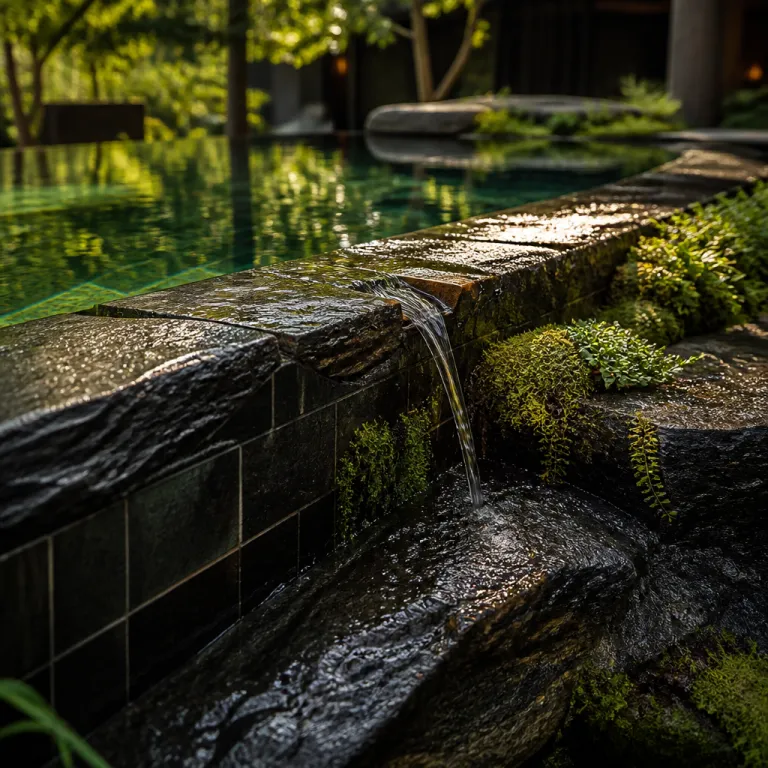
From bright and safe to moody and architectural
The luxury pool is no longer a turquoise postcard framed in white. High end swimming pool design now leans into shadow, depth and drama, with graphite interiors and ink toned water redefining what feels aspirational. For travelers choosing a hotel, the pool has become a quiet manifesto about taste and design literacy, not just a place for swimming.
Dark finishes are leading luxury pool design trends 2026, and that shift says a lot about the guest who books them. These travelers tend to prefer a modern pool with a sculptural presence, where the water reads almost like polished stone rather than a bright blue lagoon. They are less interested in a generic resort swimming pool and more drawn to pools that feel like architectural installations integrated into serious outdoor spaces.
Industry commentary from organisations such as the Pool & Hot Tub Alliance and the European Union of Swimming Pool and Spa Associations points to a clear rise in installations of dark finish pools over the last few seasons, which is a significant jump for such a specialised segment. That growth aligns with what architects and pool designers report from their most design literate homeowners, who now ask for black or deep blue pool tiles as a default rather than a daring exception. When you browse luxury pool listings on a premium booking website, you can almost read the property’s design ambition in the shade of its water.
Dark bottomed pool designs also change how light behaves across the surface. In the morning, a charcoal lined swimming pool can look like liquid slate, while at sunset the same water turns bronze and then almost mirror black. For couples planning a romantic stay, that atmospheric glow around the pool deck often matters more than the size of the pools themselves.
There is a psychological shift at play in these design trends as well. Pale blue pools once signalled safety and clarity, while today’s luxury pool guest is comfortable with a more enigmatic, lagoon like depth. As designer Kelly Wearstler has noted in interviews about hospitality projects, darker water “invites a slower, more contemplative kind of leisure,” and choosing a hotel with a dark modern pool is a way of saying you value atmosphere and architectural intent over the old idea of cheerful, family friendly swimming pools.
Graphite interiors, glass tile and the new material palette
Look closely at the most talked about luxury pool design trends 2026 and you will notice the materials first. The classic white plaster swimming pool has been replaced by stone infused blends, pebble rich surfaces and glass tile mosaics that read like couture for water. These finishes are not just about looks; they change how the entire outdoor living area feels underfoot and in photographs.
High end properties now specify stone tile or porcelain for the pool deck, often in warm greys or sand tones that soften the transition from indoor swimming zones to outdoor spaces. Inside the basin, glass tile details catch the light along steps, benches and hot tub edges, creating subtle gradients from deep graphite to emerald. When you run a hand along these materials, the texture feels closer to river rock than to the smooth but anonymous tiles of older pools.
Designers report that glass tile and stone tile combinations are becoming the standard for any serious modern pool, especially in destinations like Florida where sun intensity can flatten colour. In those climates, a darker swimming pool interior paired with carefully chosen pool tiles keeps the water looking rich rather than washed out at midday. For travelers, that means the pool modern aesthetic you see in photos is more likely to match what you experience on the pool deck.
On amazing pool stay style booking platforms, you can now filter properties as much by materials as by room type. A listing that mentions a luxury pool with glass tile detailing, natural stone coping and a shaded modern backyard lounge will usually deliver a more cohesive outdoor living experience. If you plan to read by the water for hours, those tactile details under bare feet and along the pool edge matter more than you might expect.
When comparing hotels, pay attention to how they describe their pool design and finishes. A property that invests in advanced materials usually also invests in thoughtful pool landscaping, lighting and acoustics, which together create a calm soundscape around the swimming pools. For rate sensitive summer trips, guides to peak season pool hotels, such as articles on where to lock in rates before July crowds arrive, can help you prioritise stays where the design trends and the pricing both work in your favour.
Living edges, cliff-cut basins and pools carved into landscape
The most compelling luxury pool design trends 2026 are not happening on rooftops alone. They are unfolding where water meets rock, garden and cliff, in pools that seem carved rather than constructed. Designers call these living edges and cliff cut basins, and they are reshaping how hotels choreograph the guest journey from room to swim.
A living edge is a pool design where the boundary dissolves into the surrounding landscape. Instead of a hard coping line, you might see grasses brushing the water, stone that appears to emerge from the basin or a pool deck that steps down into a naturalistic shoreline. For couples, that creates a more intimate connection between the swimming pool and the wider outdoor spaces, especially at dusk when the planting silhouettes against the dark water.
Cliff cut basins take the idea further by embedding the modern pool directly into rock or a steep slope. At properties like the clifftop resorts in the Aegean, the luxury pool becomes a horizontal incision in the landscape, with the horizon line doing as much work as any tile. A detailed review of a Mykonos clifftop property with twin infinity pools and the sea as backdrop shows how powerful this placement can be when you are choosing a hotel primarily for its pool designs.
These approaches rely on advanced construction techniques and close collaboration between architects, landscape designers and specialist pool teams. The result is a set of pool ideas where the basin, the pool deck, the surrounding stone and even the hot tub niches feel like one continuous gesture. For travelers, that means the modern backyard aesthetic you might admire in residential projects now appears at resort scale, with swimming pools that feel both dramatic and quietly rooted.
When you browse photos, look for clues that a pool is genuinely integrated into its site. Does the pool landscaping echo the local geology with stone tile and native plants, or does it feel like a generic rectangle dropped onto a terrace? A true cliff cut or living edge luxury pool will usually offer fewer loungers but a far more memorable sense of place, which matters if your trip is built around long, unhurried hours by the water.
Vanishing edges, minimalism and the new infinity baseline
Infinity edges once felt like a Bali postcard fantasy. Now, for luxury pool design trends 2026, a vanishing edge is almost a baseline expectation at any serious high end property. The question is no longer whether the pool has an infinity edge, but how precisely that edge is detailed and what story the water tells as it falls away.
Architectural minimalism is driving a new generation of pool modern aesthetics. Skimmers are hidden, coping lines are razor thin and the transition from indoor swimming zones to outdoor living terraces is almost imperceptible. In the most refined pool designs, the water surface aligns exactly with adjacent stone, so that the swimming pool reads as a calm plane rather than a sunken basin.
This minimalism can sit in tension with the desire for more organic, natural pool shapes. Some hotels resolve it by using a rectilinear modern pool for laps and reflection, then carving softer, lagoon like forms for secondary pools or hot tub terraces. For couples, that mix allows one partner to swim lengths while the other drifts in a more sheltered, sculpted corner of the water.
Travelers should pay attention to how the vanishing edge relates to the view. A well executed infinity luxury pool will align its edge with a distant horizon, city skyline or forest canopy, so that the pool deck becomes a front row seat to the landscape. Poorly aligned pool trends, by contrast, can leave you staring at a parking lot or neighbouring roof, no matter how expensive the glass tile or pool tiles might be.
If you want to read in peace while still feeling close to the water, look for properties where the main infinity swimming pools are paired with quieter secondary pools tucked into gardens. Curated guides to refined hotel pools, such as features on where to swim in style in specific cities, can help you identify stays where the design trends, the views and the guest flow all work together. In those places, the infinity edge is not a gimmick but a carefully tuned instrument in the overall composition of the outdoor spaces.
Emerald, teal and the rise of atmospheric colour
Not every dark pool needs to be black. A parallel movement within luxury pool design trends 2026 is the rise of emerald and deep teal interiors, which offer mood and depth without the full drama of an ink dark basin. For many travelers, these colours strike a sweet spot between the familiar blue of traditional swimming pools and the more avant garde graphite look.
Emerald toned pool designs often rely on a mix of green and blue glass tile, layered over darker plaster or stone infused finishes. In bright destinations like Florida, this combination keeps the water looking lush even under harsh midday sun, while at night the same swimming pool can feel like a jungle lagoon. Hotels use these hues to connect the pool deck more closely to surrounding vegetation, especially when the modern backyard planting leans tropical.
Teal and emerald also photograph differently from classic resort blue, which matters in an era when guests read visual cues quickly while scrolling booking sites. A luxury pool with a nuanced colour palette signals a more curated approach to design trends, suggesting that similar care has gone into the rooms and public spaces. For couples planning a romantic escape, that attention to tone can be the difference between a pool that feels generic and one that feels cinematic.
From a practical perspective, these colours can be more forgiving than pure black when it comes to maintenance. Slight variations in water clarity or minor debris are less visually stark, which helps hotels keep the swimming pools looking impeccable throughout the day. That reliability is important when your itinerary revolves around long afternoons on the pool deck, moving only between lounger, water and perhaps a nearby hot tub.
When evaluating pool ideas on a booking platform, look for descriptions that mention emerald, teal or lagoon inspired water rather than just “blue”. Those words usually indicate a considered pool design, with materials and tiles chosen to support a specific mood. For design conscious homeowners who take inspiration from hotel stays, these atmospheric colours are increasingly influencing their own modern backyard projects as well.
What these pools say about the guests who book them
Choosing a hotel for its pool is never a neutral act. In the context of luxury pool design trends 2026, your preference for a dark, living edged swimming pool over a bright, geometric one reveals how you want to feel on holiday. It signals whether you see the pool as a stage for socialising or as a private, almost meditative retreat.
Guests drawn to graphite lined luxury pool basins and cliff cut designs tend to value architecture and landscape integration. They are the travelers who will read the property description closely, looking for mentions of natural stone, glass tile detailing and carefully layered pool landscaping. For them, the pool deck is less about volume of loungers and more about the choreography of light, shadow and water throughout the day.
By contrast, guests who still prefer brighter, more traditional swimming pools often prioritise visibility, family friendliness and a sense of openness. They might choose resorts where multiple pools, water features and hot tub zones create a more animated atmosphere. Both preferences are valid; the key is recognising which pool trends align with the way you actually like to spend time in outdoor living areas.
For design minded homeowners, hotel stays have become a research trip for future pool ideas. Many now return from properties with modern pool concepts, stone tile combinations and indoor swimming transitions they want to adapt for their own modern backyard. As one industry explainer from a leading US pool manufacturer puts it succinctly, “Pools with interiors using deep colors like charcoal or black” and “Pool edges that integrate seamlessly with natural surroundings” are no longer niche experiments but templates for the next generation of residential and hospitality projects.
When you plan your next trip, treat the pool as a primary filter rather than an amenity box to tick. Look for listings that articulate their pool design in detail, from materials and tiles to the relationship between the swimming pool, the rooms and the wider outdoor spaces. In a market where living edges, cliff cut basins and moody water have become the new luxury language, the right pool can tell you almost everything you need to know about the stay that awaits.
Key figures shaping the new era of luxury pools
- Industry surveys from bodies such as the Pool & Hot Tub Alliance and the European Union of Swimming Pool and Spa Associations indicate that dark finish pool interiors now represent a substantial share of new high end installations worldwide, reflecting notable growth in recent years compared with earlier, lighter palettes.
- Design research tracking nature integrated pools, including reports from the American Society of Landscape Architects, shows demand for living edge and landscape blended pool designs rising steadily, signalling a clear shift away from isolated basins toward pools that function as part of larger outdoor spaces.
- Professional associations for pool designers report that glass tile mosaics and stone infused plasters have moved from niche upgrades to standard specifications on most luxury pool projects, especially in resort markets.
- Architectural case studies from hospitality analysts and hotel benchmarking services highlight that properties combining dark interiors, vanishing edges and cliff cut basins often achieve higher average daily rates than comparable hotels with conventional swimming pools, underlining the commercial value of strong pool design.
- Feedback from homeowners and travelers, gathered through post stay surveys and design firm client interviews, suggests that pools perceived as well integrated with their surroundings significantly increase time spent in outdoor living areas, which in turn raises overall satisfaction scores for both resorts and private villas.
FAQ about dark finishes, living edges and cliff-cut basins
What are dark finish pools and why are they popular now?
Dark finish pools are swimming pools with interiors in deep shades such as charcoal, graphite or black rather than traditional pale blue. They are popular because they create moody, reflective water surfaces that feel more architectural and pair well with natural stone and minimalist design. For travelers, these pools often deliver richer colour at sunrise and sunset, which enhances both the atmosphere and the visual impact of the stay.
What exactly is a living edge in pool design?
A living edge is a pool edge that blends seamlessly into the surrounding landscape instead of ending in a hard, raised border. Designers achieve this by bringing planting, stone and terrain right up to the water line, so the pool appears to emerge from the site rather than sit on top of it. This approach creates a more immersive outdoor experience and is increasingly common in luxury hotels that prioritise sense of place.
How does a cliff-cut basin differ from a regular infinity pool?
A cliff cut basin is a pool that appears carved into a cliff or steep slope, often with one or more vanishing edges overlooking a dramatic view. While many infinity pools sit on flat terraces with a dropped edge, cliff cut designs integrate the basin into the rock itself, making the geology part of the composition. The result is usually a stronger connection between the swimming pool, the horizon and the natural surroundings.
Are dark bottomed pools safe for swimming and visibility?
Dark bottomed pools are safe when they are designed with clear step markings, good lighting and appropriate depth transitions. Many luxury properties use contrasting pool tiles on steps and benches to maintain visibility while still enjoying the aesthetic of dark water. If visibility is a concern for your trip, you can always ask the hotel for daytime photos of the pool and confirm details about depth and lighting before booking.
How can I tell from photos whether a hotel pool is well designed?
Look for how the pool relates to its surroundings rather than just its shape. Strong design usually shows consistent materials from the pool deck to the basin, thoughtful pool landscaping and a clear alignment between the water edge and key views. If the photos highlight details such as glass tile accents, stone tile coping and the way indoor and outdoor spaces connect, that is often a sign of a carefully considered pool design.