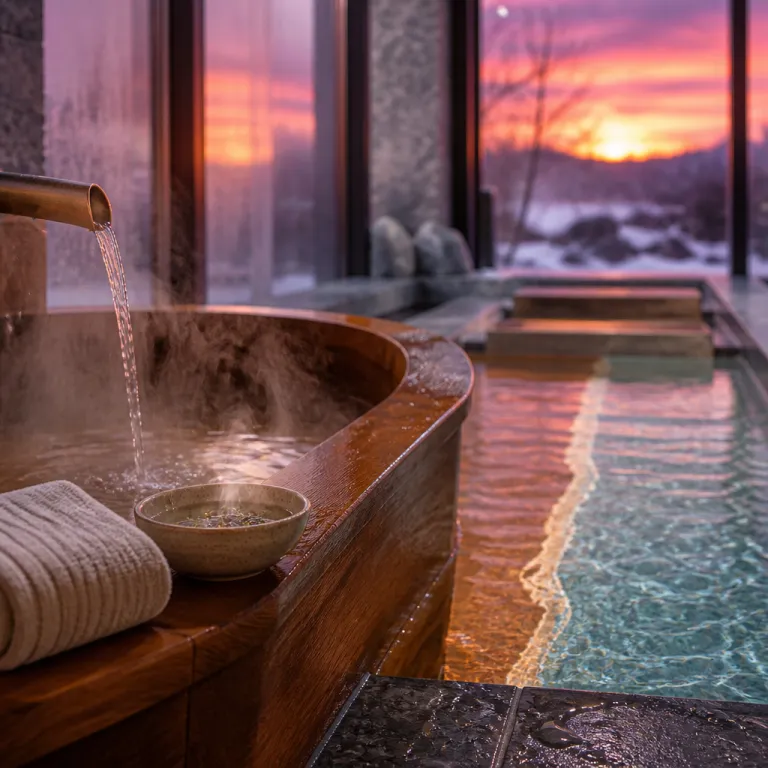
From hotel pool to hotel hydrotherapy wellness pool
A standard hotel pool cools you down, while a true hotel hydrotherapy wellness pool is designed to change how your body feels. In the best luxury hotel spa properties, water temperature, mineral rich waters and carefully placed water jets are calibrated as precisely as a chef seasons a tasting menu, turning simple pools into full hydrotherapy pools with measurable health benefits. For couples planning a spa day or longer spa visit, this shift means the pool experience can now be the main reason to book the hotel rather than a pleasant post dinner extra.
Hydrotherapy means using warm water, cold water and pressure from jets as targeted treatments for circulation, muscle recovery and stress relief. In a serious hotel hydrotherapy wellness pool, you move between thermal zones, from indoor hydrotherapy areas with strong water jets to an outdoor pool with gentler currents, so the treatment sequence works on the entire body rather than a single tense shoulder. These pools are often designed with different depths, benches and a dedicated foot spa section, allowing guests to focus on legs after a long day of walking or skiing.
The difference between a decorative pool and hydrotherapy pools lies in intent, not just aesthetics. A decorative outdoor pool might frame the sunset, while a hydrotherapy outdoor pool will also offer contrast between warm water and cooler air, encouraging the body to adapt and reset. When you see clearly marked thermal temperatures, underwater seating near powerful jets and a suggested route for your spa visit, you are looking at a hotel where the waters are meant to heal as much as they are meant to photograph well.
Thermal circuits and contrast therapy for couples
Thermal circuits take the hotel hydrotherapy wellness pool concept further by choreographing hot cold rest cycles into a defined experience. Wellness centers such as HEAL Wellness Center, The Springs Resort and Circle Wellness have refined contrast therapy methods that alternate hot immersions, cold plunge pools and quiet recovery spaces, and luxury hotel spa teams are now adapting these treatments for couples who want a shared ritual. For travelers, this means a spa day becomes a guided journey rather than a menu of disconnected treatments, with each pool, sauna and shower designed to prepare the body for the next step.
Thermal contrast therapy alternates between hot and cold treatments. Are there health benefits to thermal circuits? Yes, they can reduce inflammation and improve recovery. What is contrast therapy? Alternating between hot and cold treatments to stimulate circulation. Can I do contrast therapy at home? Yes, using hot baths and cold showers alternately. These verified explanations from wellness providers underline why a well designed thermal circuit can support circulation, ease post day muscle soreness and potentially help regulate blood pressure when used sensibly.
For couples, the shared movement through hydrotherapy pools, cold plunge pools and relaxation zones becomes a form of quiet conversation. One partner might prefer the intense water jets of indoor hydrotherapy, while the other lingers in a warm water outdoor pool, yet both follow the same thermal rhythm and finish with a calming massage or body scrub. Properties that understand this dynamic often offer spa packages built around a private circuit, a reserved outdoor pool cabana and a tailored treatment, creating a spa visit that feels intimate rather than crowded, even when the facilities operate year round.
In room soaking tubs and private indoor hydrotherapy
In many high end suites, the marble bathtub has quietly given way to deep soaking tubs and compact indoor hydrotherapy pools. These in room features extend the hotel hydrotherapy wellness pool philosophy into a private space, allowing guests to repeat their preferred treatments without watching the clock or sharing jets with strangers. For couples, this privacy transforms a simple post day bath into a curated ritual, especially when the hotel spa équipe provides mineral salts, temperature guidance and suggested sequences.
The most thoughtful hotel spa programs now link public hydrotherapy pools with in room options, so your spa day does not end when you leave the main pools. You might start with a guided circuit through thermal waters, water jets and a dedicated foot spa station, then return to your suite where a soaking tub is already filled to the right warm water temperature for continued relaxation. Some properties pair these amenities with targeted massage treatments, encouraging guests to alternate between water based therapy and hands on work for the body, which can enhance recovery from travel fatigue.
For travelers who value privacy, this integrated approach can be the deciding factor when choosing between luxury spa hotels. A property where the pool is the spa will still feel generous, but a room with its own indoor hydrotherapy features offers flexibility for late arrivals, early departures or simply a quiet spa visit away from the main crowds. When comparing options on curated platforms such as amazing pool stay guides to luxury spa hotels with pools and exceptional wellness experiences, pay close attention to how clearly the hotel describes in room hydrotherapy, not just the size of the bathtub.
When the pool is the spa: design that heals
Some hotels now build their entire wellness identity around a single, carefully designed hotel hydrotherapy wellness pool. At these properties, the pool, the thermal circuit and the surrounding relaxation zones replace a traditional spa corridor of separate cabins, so guests feel immersed in water based treatments from the moment they step in. The design language is deliberate, with curved benches for the body, varied depths for different treatments and a mix of indoor hydrotherapy spaces and outdoor pools that work together as one experience.
Look for hydrotherapy pools where water jets are positioned at different heights to target calves, lower back and shoulders, rather than a single line of jets along one wall. A well planned outdoor pool might include a quiet corner with softer waters for mindful floating, while a neighboring outdoor pools area offers stronger currents for active hydrotherapy, giving couples the choice between conversation and solitary reset. When these spaces are open year round, the contrast between crisp air and warm water becomes part of the treatment, especially in alpine or coastal climates where the seasons shape the mood.
Hotels that treat the pool as the spa often move away from long spa packages lists and toward curated sequences that combine water, rest and perhaps a focused massage. Instead of choosing from dozens of treatments, guests might select a goal such as post day recovery, stress relief or improved sleep, and the équipe then proposes a circuit through thermal waters, a short body treatment and a quiet lounge session. For couples, this clarity removes decision fatigue and lets them focus on the shared experience, which is ultimately what turns a good spa visit into a memorable one.
How to choose a hotel hydrotherapy wellness pool stay
Selecting the right hotel hydrotherapy wellness pool stay starts with understanding your own needs as a couple. If one of you is training intensely or recovering from long flights, prioritize hotels that emphasize contrast therapy, cold plunge pools and clearly structured thermal circuits with documented health benefits. When relaxation and romance matter more than performance, focus on properties with generous warm water zones, quiet outdoor pools and spa packages that include time buffers between treatments rather than back to back appointments.
When researching, read beyond the headline images and look for specific language about hydrotherapy pools, indoor hydrotherapy features and the design of water jets. A serious hotel spa will explain how its waters are filtered or mineral enriched, how the pools are designed for circulation and what kind of post day recovery the treatments support, instead of relying only on mood words. Curated platforms such as this guide and broader resources on luxury travel and vacations for unmatched experiences can help you compare hotels that treat water as a wellness instrument rather than a decorative amenity.
Practical details matter as much as poetic descriptions. Check whether the outdoor pool and outdoor pools complex operate year round, whether spa day access is included for hotel guests and whether there are quiet hours reserved for adults or couples. If you have concerns about blood pressure or respiratory infections, speak with your doctor before intense thermal circuits, then share any guidance with the hotel équipe so they can adapt treatments, adjust water temperatures and suggest a gentler spa visit that still feels indulgent.
FAQ
How is a hydrotherapy pool different from a regular hotel pool ?
A hydrotherapy pool is built for therapeutic treatments rather than casual swimming. Temperatures are controlled precisely, water jets are positioned to target specific muscle groups and the waters may contain minerals to support circulation and recovery. In contrast, a regular hotel pool usually focuses on leisure and aesthetics, with less attention to thermal variation or structured wellness benefits.
What is a thermal circuit in a hotel spa ?
A thermal circuit is a guided sequence that moves you through hot, cold and rest phases using pools, saunas, cold plunge tubs and relaxation areas. The goal is to stimulate circulation, reduce inflammation and promote deep relaxation by alternating thermal stress with recovery. Many luxury hotel spa programs now build spa packages around these circuits, especially for couples seeking a shared wellness experience.
Can I do contrast therapy safely if I have health conditions ?
Guests with conditions such as high blood pressure, cardiovascular issues or respiratory infections should always consult a medical professional before using intense thermal circuits. Once you have medical advice, share it with the hotel spa équipe so they can adjust water temperatures, session durations and the intensity of treatments. A well trained team will prioritize safety and may recommend gentler hydrotherapy or shorter sessions instead of full contrast therapy.
What should I bring for a spa day focused on hydrotherapy ?
For a hydrotherapy focused spa day, bring comfortable swimwear, a change of dry clothes and any personal items such as contact lens cases or hair ties. Many hotels provide towels, robes and slippers, but it is wise to confirm this when booking your spa visit. Staying hydrated is essential, so drink water before and after sessions, and avoid heavy meals immediately before intense thermal treatments.
How can couples make the most of in room soaking tubs ?
Couples can turn an in room soaking tub into a private hydrotherapy ritual by planning a simple sequence together. Start with a warm water soak to relax the body, then alternate short cool showers and returns to the tub if your health allows, finishing with quiet rest and perhaps a light massage using provided oils. Keeping phones away, dimming lights and aligning the soak with a calm post day moment will help the experience feel like a true wellness treatment rather than a quick bath.