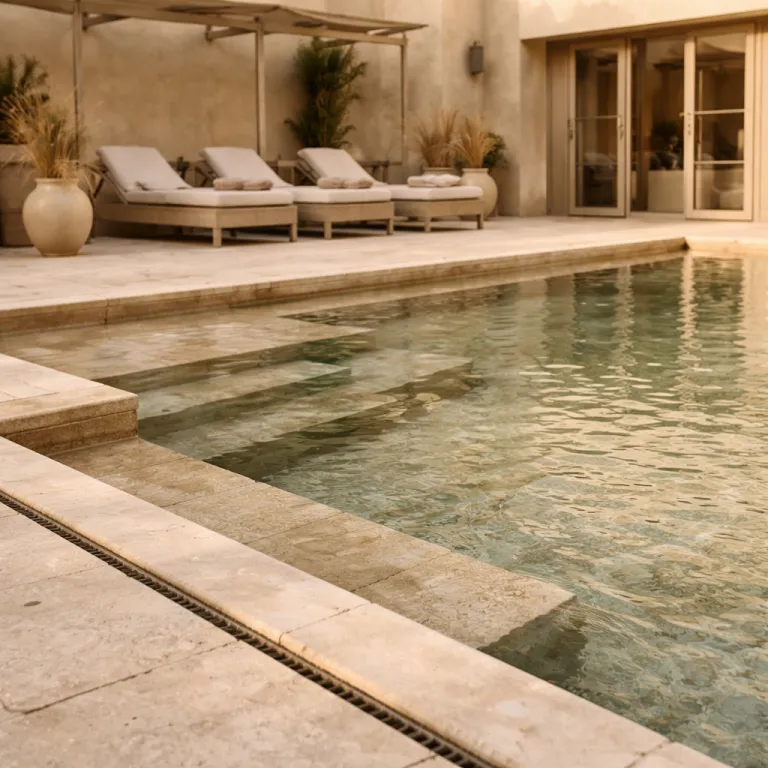
The first read: how a pool reveals a hotel's priorities
Stand in front of any hotel pool and pause before you swim. The way the pool design handles water, stone, tiles and the surrounding area will quietly tell you whether the hotel architects, landscape designers and hotel management agreed on a clear vision. In a world where around 80 % of hotels now offer pools, the real question is not whether a swimming pool exists but what it says about the hotel design and its values.
Look first at the relationship between the swimming pool and its setting, because this is where serious hotels with pools separate themselves from properties that simply poured concrete. A well considered hotel pool will sit in dialogue with the landscape, using pool shape, colour and materials to frame views rather than fight them, while weaker pool designs feel dropped on top of the resort like an afterthought. When you read a hotel pool design guide with this lens, you start to see whether the pool experience has been planned as a central narrative or just a marketing photograph.
Next, scan how the pool area is organised for actual swimming and quiet lounging. If the pool design gives you generous deck space, coherent furniture and clear paths between room and water, you are looking at a hotel that understands flow and guest comfort. When the pool area is cramped, with loungers jammed against the swimming pools and no shaded bar or calm corner, the message is that capacity won the argument over serenity.
The material language of water, tiles and stone
Materials are the first vocabulary in any serious hotel pool design guide, and they rarely lie. Natural stone around a swimming pool signals a desire for timeless luxury and a closer relationship with the landscape, while glass mosaic tiles and crisp concrete edges lean toward a modern pool aesthetic. When you see cheap floor tiles, slippery surfaces or clashing colours, you can safely assume that budgets, not design ideas, drove the final decisions.
Pay attention to the colour of the pool tiles and the way they interact with the depth of the water. White tiles can make hotel pools feel clinical and overlit, dark green tiles create a mysterious lagoon mood, and turquoise tiles instantly read as tropical, so each choice reveals how the hotel wants you to feel when you swim. The most thoughtful pool designs repeat these tones inside, echoing them in interior design elements such as the living room palette, room design accents or even the bar counter stone, creating a subtle but powerful continuity between room and pool area.
Material choices also hint at how the hotel thinks about time and maintenance. A resort that invests in dense stone, carefully grouted tiles and robust lighting details is planning for decades of swimming, not just the next photo shoot. When you read reviews of new luxury openings or check a curated list of refined hotel swimming pool addresses in cities like New York, you will notice that the properties praised for atmosphere almost always show this material coherence from lobby floor tiles to the edge of the hotel pool.
Shape, edges and the quiet power of geometry
The geometry of a swimming pool is never neutral, and a good hotel pool design guide treats pool shape as a statement about the property's personality. Geometric rectangles with sharp corners usually signal a modern swimming aesthetic, especially when paired with minimal coping and a restrained palette, while softer organic pool shapes suggest a resort that wants to feel more relaxed and landscape driven. From the classic kidney forms of mid century pools to today's sculpted infinity pools, each curve or line tells you how the hotel understands leisure and spectacle.
Edge treatments are even more revealing than pool shape, because they show how the hotel wants you to relate to the horizon. An infinity pool that aligns its water line perfectly with sea or valley views tells you that the architects defined the relationship between water and landscape before any technical decision, whereas a clumsy infinity pool with a broken horizon reads as pure marketing. Zero edge basins, raised lip pools and beach entry designs each send different messages about accessibility, drama and how the hotel imagines your pool experience unfolding from room to water.
Scale matters as much as geometry, especially in luxury hotels where intimacy is part of the promise. A compact indoor pool or plunge basin carved in stone can feel more exclusive than a vast lagoon, because the design creates a sense of privacy and control over the pool area. When you compare properties, look at whether the pool designs match the number of rooms and the overall hotel design language, and remember that a smaller, colder, more private pool can often feel more luxurious than a sprawling, crowded basin.
Landscape, furniture and the choreography of the pool area
The best hotel pools feel inevitable in their setting, as if the water had always been there. That sense of ease is usually the result of close collaboration between hotel architects and landscape designers, who use planting, levels and paths to create a pool area that respects the terrain instead of flattening it. When a resort carves terraces into a hillside, tucks an infinity pool along a natural ridge or frames an indoor pool with existing rock, you are seeing landscape integration rather than domination.
Furniture is another fluent part of the design language, and it tells you instantly how the hotel values your time by the water. Teak loungers with good mattresses, shaded daybeds and well spaced tables near the bar suggest a property that expects you to spend long, comfortable hours by the swimming pools, while plastic chairs or mismatched pieces hint at a focus on turnover rather than relaxation. A thoughtful hotel pool design guide will also look at circulation, ensuring that staff can glide between room and pool area without disturbing guests, and that families, couples and solo travellers each find their own corner.
Lighting completes the choreography, especially in luxury hotels that design pools as much for evening as for daytime. Underwater lighting that washes the pool shape evenly, subtle perimeter lights and warm tones around the bar create a calm, cinematic atmosphere, whereas harsh spotlights or colour changing LEDs can make even a refined pool design feel like a nightclub. When you browse curated selections of the best hotel swimming pool addresses for a refined stay, you will notice that the most memorable pool experience often happens at dusk, when the last natural light meets the first artificial glow.
Reading consistency: from room design to the last drop of water
A truly coherent hotel pool design guide never isolates the pool from the rest of the property. Instead, it reads the swimming pool as one chapter in a longer story that starts at the entrance, passes through the living room style lobby and continues into each room design detail. When the same design ideas, materials and colour temperatures appear in both the guest rooms and the pool area, you know that hotel management treated the pool as a core amenity rather than a bolt on feature.
Look for echoes between interior design and the pool experience, such as stone from the lobby reappearing on the pool deck or the bar finishes mirroring the bathroom tiles. Hotels that think in this way often work with specialised architectural firms and landscape designers, using design software and careful material selection to create a seamless transition from indoor pool to outdoor terrace, from spa corridor to infinity pool edge. As one industry summary puts it with disarming clarity, "Why do hotels invest in pool design? To attract guests and enhance aesthetics." and "How do pools impact guest satisfaction? Well-designed pools increase satisfaction and bookings."
For travellers choosing between hotels with pools, this is where a trained eye becomes a practical tool. When you scroll through photos, ask whether the pool designs feel like natural extensions of the hotel design or like separate worlds, and whether the swimming pools look as comfortable at quiet times as they do in staged images. If you want to go deeper, pair this visual reading with guest reviews and curated resources such as a specialist list of where to swim in style, which can help you identify hotel pools that offer not just a view but a genuinely elevated relationship between water and stone.
FAQ
How can I quickly judge a hotel pool from photos when booking ?
Start by looking at how the pool design relates to its surroundings rather than the view alone. Check whether the pool area has enough space, shade and coherent furniture for the number of rooms, and whether the tiles, colour palette and lighting feel consistent with the rest of the hotel. If the swimming pool looks crowded, over furnished or disconnected from the landscape in every image, expect a compromised pool experience in reality.
What materials signal a high quality hotel pool design ?
High quality hotel pools usually combine dense natural stone, well laid tiles and durable metals or hardwoods around the water line. When floor tiles are carefully aligned, drainage is discreet and the pool shape feels deliberate, you are likely looking at a property that invested in both design and construction. By contrast, thin coping, slippery surfaces and clashing materials often indicate cost cutting and higher maintenance issues over time.
Are infinity pools always better than classic rectangular pools ?
An infinity pool is only as good as its relationship to the horizon, so a modest rectangular swimming pool with perfect proportions can feel more luxurious than a poorly aligned infinity edge. Infinity pools work best when the water line merges cleanly with a strong natural or urban view, and when the surrounding pool area supports quiet contemplation. If the setting is weak or the design ideas are not fully resolved, a simple modern pool can deliver a better swim.
What is the difference between indoor and outdoor hotel pools for guests ?
Indoor pools tend to focus on spa like calm, controlled lighting and year round swimming, while outdoor pools lean on sun, landscape and social energy. When reading a hotel pool design guide, check whether the interior design of the indoor pool connects logically with treatment rooms and relaxation spaces, and whether the outdoor pool area offers shade, wind protection and a comfortable bar layout. The best hotels treat both types of pools as complementary experiences rather than afterthoughts.
Why do so many luxury hotels highlight their pool in marketing ?
Pools are among the most photographed spaces in any resort, and they instantly communicate a hotel's taste level, investment and attitude to leisure. Because guest preference for pools is high, properties know that a strong hotel pool can drive bookings and repeat stays when the design, lighting and materials align with the overall hotel design. For travellers, learning to read these signals turns marketing images into useful data rather than just decoration.