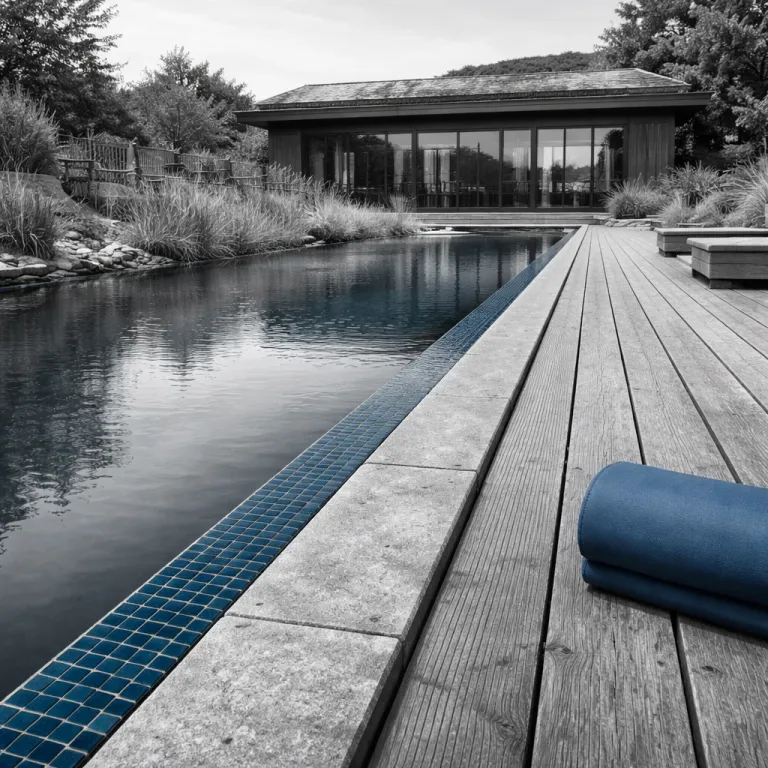
The new benchmark for sustainable luxury hotel pools
Across the high end of hospitality, sustainable luxury hotel pools have shifted from niche experiment to booking filter. A luxury hotel that builds a dramatic pool without addressing water use, energy consumption and hotel health standards now feels out of step with guests who track their own footprint. For travelers comparing hotels, the question is no longer whether there is a pool, but how that pool is designed, powered and maintained in an environmentally friendly way.
Industry analysis from organizations such as the World Travel & Tourism Council and the Sustainable Hospitality Alliance indicates that pools and spa facilities can account for roughly 10–20% of a resort’s total energy use and a significant share of potable water demand, depending on climate and operating hours. The most forward looking luxury hotels now treat the pool as a test case for eco luxury, combining solar thermal heating, variable speed pumps and natural or low chemical filtration to cut energy consumption by an estimated 30–50% while keeping the water immaculate, according to case studies published by green building councils and hotel groups. Guidance from certification bodies frames it clearly for travelers and operators alike: sustainable luxury hotel pools are swimming areas designed with eco-friendly practices to reduce environmental impact and support long term hotel health goals.
Properties such as Bardessono Hotel & Spa in Napa Valley, 1 Hotel Hanalei Bay in Kauai and 1 Hotel Brooklyn Bridge in New York use LEED level design thinking to align spa circuits, swimming areas and landscaped hotel pools with local climate conditions. Their pools and thermal springs style spa facilities are engineered to reduce water loss through covers and smart controls, support hotel health and wellness programs and still deliver the kind of quiet, late afternoon swimming experience luxury guests expect. Bardessono, for example, reports LEED Platinum certification and high efficiency systems that help reduce overall energy use by more than 30% compared with conventional hotels, while 1 Hotel Hanalei Bay discloses annual water savings targets for pools and irrigation in its sustainability reporting. For anyone planning a stay, it pays to read the sustainability section of each hotel website as carefully as the spa menu and to look for concrete metrics on water, energy and certification rather than broad eco friendly claims.
From saltwater pool to swimming pond: design choices that matter
Behind the serene surface of sustainable luxury hotel pools sits a series of technical decisions that directly affect your swim. The choice between a saltwater pool, a seawater pool or a freshwater system with natural filtration shapes everything from skin comfort to how much chemical load ends up in local ecosystems. Travelers who care about eco friendly stays increasingly ask hotels to explain these systems in plain language before they book, including how often water is replaced, what disinfectants are used and how backwash is treated.
In Cornwall, The Scarlet Hotel uses a reed filtered outdoor swimming pond that blurs the line between pool and coastal landscape, showing how natural systems can support both hotel health standards and wildlife when carefully engineered. On the Italian island of Ischia, Botania Relais & Spa integrates mineral rich pools into a wider health spa program, pairing geothermal water with environmentally friendly operations, heat recovery systems and local planting adapted to the Mediterranean climate. These examples show how a resort can turn its pools into a living reserve for biodiversity rather than a sealed blue rectangle, while still meeting hygiene regulations through tested natural filtration and regular water quality monitoring.
Island properties face sharper scrutiny, because every litre of water and every kilowatt of power counts more on a remote island. At Fogo Island, the island inn concept has inspired a generation of sustainable hotels that treat each pool as part of a fragile island system, while at Soneva Fushi in the Maldives and Bambu Indah in Bali, lagoon style pools and jungle swimming areas are designed to feel natural yet still function as controlled hotel pools with measured circulation and disinfection. When you assess a luxury resort on any island, read full technical notes on filtration, ask how often pools are drained, check whether greywater or rainwater is reused and look for signs that the lodge or oceano hotel style property works with local conservation groups on shoreline protection and reef friendly practices.
How to read sustainability claims when booking pool focused stays
For pool obsessed travelers, the marketing language around sustainable luxury hotel pools can feel dense, but a few checks quickly separate substance from gloss. First, look for third party eco certification or LEED style credentials, which signal that the hotel or resort has measured its energy consumption, water use and waste rather than relying on vague eco friendly wording. Then examine how the pools, spa facilities and any health spa components fit into a wider sustainability plan that includes local hiring, responsible sourcing and conservation partnerships with clearly stated targets.
Urban properties such as 1 Hotel Brooklyn Bridge and 1 Hotel Hanalei Bay show how city and coastal hotels can combine rooftop pools, river or ocean views and serious sustainability reporting, often through platforms similar to Hilton’s LightStay that track water and energy data against annual reduction goals. In Sedona, Ambiente Sedona uses low impact design and careful orientation so that its pools and spa decks need less mechanical cooling, while Nobu Hotel Atlanta and other luxury hotels with Green Key or EarthCheck style labels publish clear targets for reduced water use in pools and laundry and disclose progress in annual reports. When your trip planning turns to city breaks, curated guides to refined hotel swimming pool addresses can be read alongside each property’s sustainability reporting and independent certification.
On the leisure side, Jade Mountain in St Lucia and similar infinity edge resorts featured in round ups of pools that dissolve into the ocean demonstrate that luxury and sustainable intent can coexist when design starts with climate and topography. Many of these luxury resort pioneers now experiment with seawater pool concepts, shaded decks, efficient heat pumps and reduced temperature settings to protect both guests and marine life, while some lodges trial smaller plunge pools instead of vast basins to cut water demand by thousands of litres per season. As you read property descriptions, look for specific mentions of sustainable hotels practices, from eco luxury materials and low embodied carbon construction to partnerships with local groups, and treat any generic boutique hotels style phrasing without data, dates or third party verification as a signal to ask sharper questions before you swim.