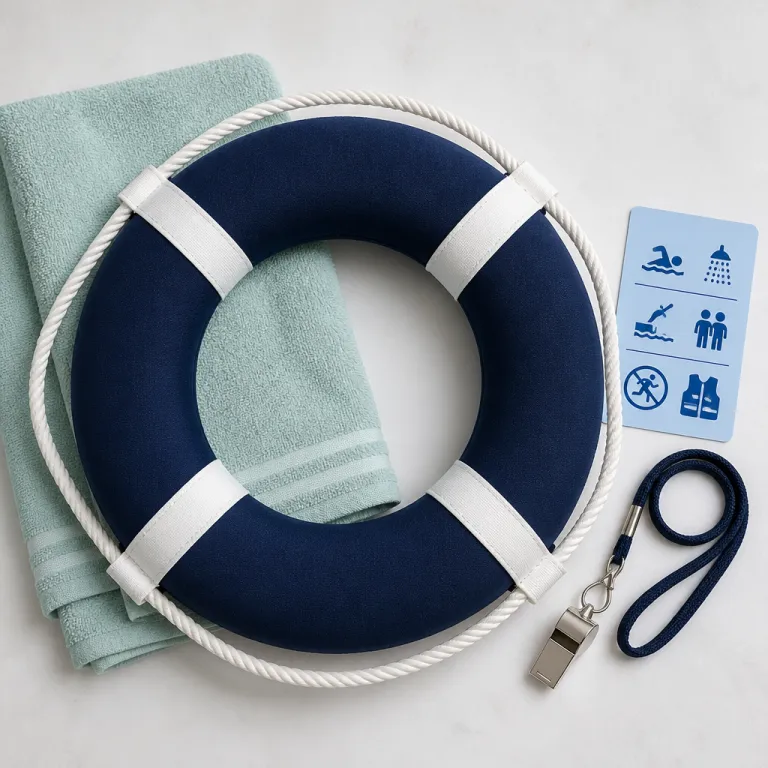
Reading luxury hotel pool service standards from the towel station
The first place to read luxury hotel pool service standards is not the infinity edge but the towel station. When a hotel pool offers attendant-delivered towels, monogrammed fabrics and proactive set up of sunbeds, it signals a service philosophy that values anticipation over bare efficiency. By contrast, self-service stacks beside the swimming pool with generic towels and limited sizes suggest a leaner approach to hospitality, where guests are expected to manage their own comfort in the pool area.
Look closely at how often towels are refreshed, because that rhythm reveals how hotel management thinks about hygiene, water safety and guest experience. A luxury hotel resort with strict pool maintenance routines will often tie towel exchange to pool water checks, aligning visible services with invisible water chemistry controls. At many high-end properties, staff record water tests several times daily and reset loungers during each round, a practice frequently mentioned in internal pool guidelines and reflected in guest reviews on major booking platforms that praise “constantly replenished towels” and “spotless pool areas.”
High-end hotels also use towel protocols to communicate compliance with health department expectations and internal health policies. Some hotel pools require guests to return towels to staffed desks so that pool maintenance teams can track usage, laundry loads and pool area occupancy for emergency response planning. Others integrate towel cards into hotel management systems, linking pool service usage, commercial pool capacity and overall management of guests across spa, pool spa and fitness zones; large international brands describe this type of approach in their published environmental, safety and pool operations standards.
Sunbed reservations, pool safety and the politics of space
How a hotel handles sunbed reservations around its pool tells you almost everything about its guest philosophy. Properties that operate on a strict first-come, first-served basis at the swimming pool often prioritise perceived fairness and relaxed spontaneity over high-touch management. Hotels that use app-based booking for sunbeds, cabanas and pool spa loungers lean into structured pool operations, where commercial efficiency and precise pool service timing matter as much as the view.
Then there is the well-documented European tradition of the 6 a.m. towel drop on hotel pools, which many luxury hotels now actively discourage to protect the guest experience. Several major resort groups have introduced “towel removal” policies at Mediterranean and beach properties after guest complaints about early-morning sunbed blocking, a trend noted in travel press coverage and guest feedback. When a hotel resort posts clear pool area signage about unattended towels being removed after a set period, it is quietly asserting that all guests deserve equal access to water-facing loungers. This approach usually goes hand in hand with attentive staff who monitor pool safety, water quality and crowding, stepping in before a relaxed atmosphere tips into territorial chaos.
Reservation rules also intersect with pool safety and health compliance in subtle ways that matter for families and business-leisure travellers. A property that caps the number of guests in the hotel pool at any time is not only managing noise but also respecting health departments’ guidance on bather load, chemical balance and emergency response capacity. If you are comparing the best hotel pools in Orlando for luxury and relaxation, pay attention to whether hotels explain these limits clearly, because transparency about pool water management and occupancy controls is a strong indicator of serious hospitality standards.
Soundtracks, silence and how water is meant to feel
The soundtrack around a luxury hotel pool is rarely accidental, and it reveals how the property expects guests to use the space. A quiet hotel pool with only the sound of water and soft conversation usually signals a retreat mindset, where pool spa treatments, calm laps and discreet service define the day. At the other end of the spectrum, a commercial pool with a resident DJ, upbeat playlists and frequent announcements is designed as a social stage, where drinks, music and visible energy matter more than meditative swimming.
Music policies also intersect with pool safety and health in ways that are easy to miss when you first arrive. Hotels that keep volumes low near lifeguard stations and emergency response equipment are acknowledging that clear communication is part of pool safety, not an optional extra. When staff can hear a guest calling for help over the speakers, and when health department required alarms remain audible, you are seeing thoughtful pool operations rather than just good taste in playlists.
Some properties go further and create distinct pool areas with different acoustic identities, separating family-friendly pools from adult-focused zones. An urban hotel resort that positions its quiet pool spa terrace away from the main swimming pool is telling you that it understands both wellness and commercial realities. For a detailed example of how refined luxury, pool spa design and attentive hotel management can coexist, look at an urban resort that combines rooftop pools with spa suites and fine dining, where water quality, pool maintenance and sound design are treated as one integrated guest experience in marketing materials and in guest feedback that highlights “peaceful adult pools” alongside “lively main decks.”
Food, drink and the fine print of pool side indulgence
What you are allowed to eat and drink beside the pool is a precise expression of luxury hotel pool service standards. When a hotel offers a full pool service menu that rivals its main restaurant, with chilled dishes timed to arrive between swims, it is signalling that the pool area is a primary stage for hospitality rather than an afterthought. By contrast, a swimming pool that permits only sealed snacks and canned drinks is usually prioritising health compliance, simplified maintenance and reduced risk over culinary theatre.
Glass policies are another quiet indicator of how a hotel balances indulgence with pool safety and water protection. Properties that ban glass entirely around hotel pools are often responding to health departments’ guidance on broken glass risks, drain covers damage and the difficulty of removing shards from pool water. Public health codes and model aquatic guidelines highlight broken glass as a contamination hazard that can require full pool closure and draining. When you see elegant polycarbonate stemware instead of crystal, you are looking at a compromise between guest expectations and the realities of pool maintenance, water quality and equipment protection.
Champagne culture around the hotel pool can also reveal the target guest and the commercial strategy behind services. A hotel resort that promotes magnum service at cabanas, with minimum spends and time slots, is using the pool as a revenue engine and a social theatre. Another property might focus on fresh juices, light dishes and hydration stations, aligning pool service with spa programmes, health goals and long, productive days for business-leisure guests who still need to work after their swim.
Phones, families and the invisible hierarchies around hotel pools
Rules about phones and photography around the pool are a recent but revealing layer of luxury hotel pool service standards. Some hotels now create phone-free zones beside the water, signalling that they value presence, privacy and mental health over social media visibility. Others encourage content creation around the swimming pool, accepting that guests will share every angle of the pool area and trusting staff, maintenance and water quality to withstand that scrutiny.
Family scheduling is another clear indicator of how a hotel understands its guests and its own hospitality positioning. Properties that designate specific family hours in the hotel pool, with adult-only windows at dawn or dusk, are acknowledging that different guests want different relationships with water, noise and services. Industry surveys from hotel analytics firms such as STR and J.D. Power have noted a steady rise in adults-only pool zones and explicit no-reservation sunbed policies over the past decade, illustrating how management decisions shape the daily rhythm of hotel pools worldwide even if exact percentages vary by region and brand.
The unwritten rules are often enforced not by signs but by staff choreography, cabana allocation and where VIP loungers are placed. When Hotel Management sets policies, Hotel Staff become the enforcers who translate those rules into lived guest experience through subtle gestures and quiet interventions. As one internal guidance document from a European resort group puts it with disarming clarity, “Why do hotels have strict pool rules? To ensure guest safety and maintain service standards.” and “Can pool rules affect my hotel experience? Yes, they reflect the hotel's service philosophy and guest priorities.”
Behind the scenes: water chemistry, compliance and spa level relaxation
The most luxurious hotel pool often feels effortless on the surface, yet behind that calm water lies rigorous science and disciplined management. High-end hotels treat pool water like a living system, testing water chemistry several times daily to maintain perfect balance between comfort, health and equipment protection. When you see clear signage about testing schedules, health department inspections and pool maintenance routines, you are witnessing a property that takes both compliance and guest experience seriously.
Commercial pool operations in a luxury context must satisfy health departments while still feeling like a spa, not a laboratory. That means precise dosing of chemical treatments, careful monitoring of water quality and regular checks on drain covers, filtration systems and emergency response equipment. Hotels that invest in this level of pool service usually train staff extensively, integrating pool safety drills into daily briefings so that every guest, from solo business traveller to family group, can relax without thinking about risk.
For travellers choosing between hotels with pools on a premium booking platform, these behind-the-scenes standards should be part of the decision, not an afterthought. Look for hotel resort descriptions that mention water quality management, pool spa integration and clear lines of responsibility between commercial management and on-the-ground staff. Some of the most refined luxury stays, such as those highlighted in travel media coverage of eco-resorts with exceptional pools in destinations like Costa Rica, show how transparent policy language, thoughtful pool area zoning and consistent services can turn a simple swim into the defining memory of your trip.
FAQ
How can I tell if a hotel takes pool safety seriously before booking ?
Read the pool rules on the hotel website and look for clear references to lifeguards, emergency response procedures and regular pool maintenance. Properties that mention water quality testing, drain covers inspections and compliance with local health department standards usually operate at a higher safety level. Guest reviews that praise attentive staff around the hotel pool and well-maintained facilities are another strong indicator.
Do stricter pool rules mean a better guest experience ?
Stricter rules can enhance the guest experience when they are clearly explained and consistently applied. Limits on sunbed reservations, family hours and noise levels often protect the atmosphere that luxury travellers value. Problems arise when rules feel arbitrary or are enforced unevenly by staff across different guests.
Why do some luxury hotels restrict food and drink around the pool ?
Restrictions on food and drink usually relate to pool safety, water quality and maintenance rather than cost cutting. Bans on glassware, for example, protect pool water and equipment from broken glass that is almost impossible to remove. Some hotels also limit outside food to maintain health compliance and align pool service with their overall hospitality standards.
What do phone free pool zones say about a hotel’s philosophy ?
Phone free zones indicate that the hotel prioritises privacy, tranquillity and analogue relaxation over constant connectivity. These policies often appear in properties with strong spa programmes, where the pool area is treated as an extension of wellness spaces. Guests who value quiet and discretion usually appreciate this approach.
How do adult only pools and family hours affect my stay ?
Adult only pools and defined family hours help hotels serve different guest segments without constant conflict over noise and space. If you are travelling for business with limited downtime, an adult focused pool area can guarantee calm water and predictable ambience. Families, meanwhile, benefit from clear time windows when children are explicitly welcomed in the main pool area.