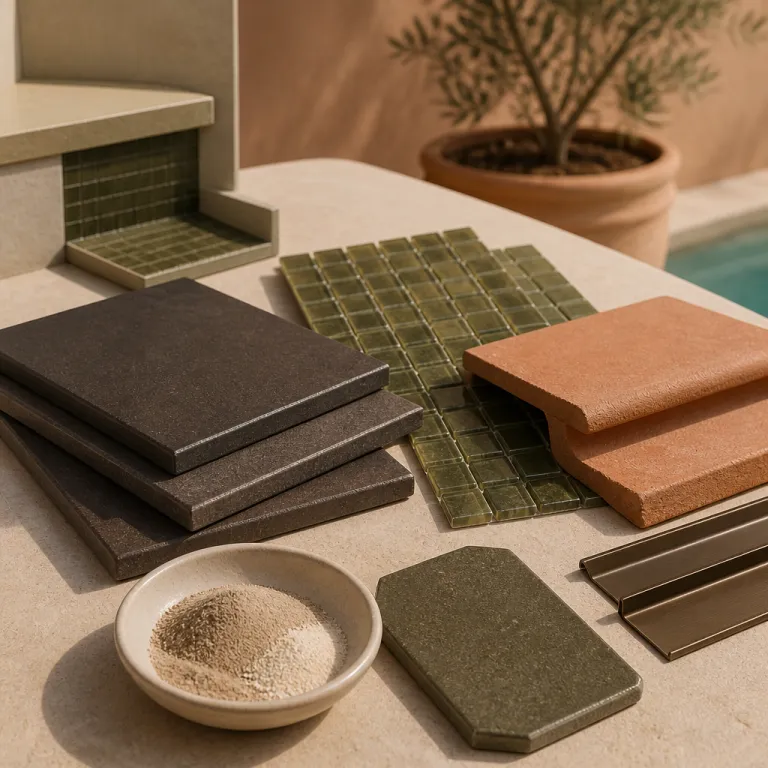
Why dark bottom pools now define the luxury swim
The era of pale turquoise hotel pools is fading fast. In its place, a new aesthetic built around luxury pool design materials with a dark bottom is reshaping how travelers judge a swimming pool before they even unpack. For couples booking a premium resort stay, the pool is no longer background décor ; it is the central design statement of the property.
Dark finishes in a modern pool change the way water behaves visually, turning the surface into a reflective plane that mirrors sky, palms and architecture with cinematic depth. Industry data shows a clear shift toward these dark bottom pools, with high end projects increasingly specifying graphite, deep blue or near black interiors to achieve a more dramatic experience. When you stand at the edge of such a swimming pool, the water reads almost like a natural pond at dusk, which makes the entire outdoor living space feel calmer and more exclusive.
Designers and hoteliers are embracing this luxury pool language because it serves both aesthetics and function. Dark interior finishes absorb more light, so the water often appears slightly warmer and deeper, even when the actual depth remains guest friendly. For travelers sensitive to glare, this matters ; the softer reflections from a dark bottom pool design are easier on the eyes during long afternoons, and they photograph beautifully without the harsh sparkle that once defined resort pools.
From a long term perspective, these modern finishes can also help mask minor imperfections or organic debris, which is especially relevant in properties that integrate natural landscaping around the pool. Homeowners commissioning a custom pool for their own backyard are following the same design trends they see in luxury hotels, asking for dark bottom pools that echo volcanic lagoons or forest lakes. When you browse a premium booking website focused on pools, you will notice that the most saved properties now feature these deep toned basins rather than the old bright blue rectangles.
Geometric shapes and the end of the freeform era
Look closely at the most talked about resort pools and a pattern emerges. The once aspirational freeform lagoon, with its faux rock waterfalls and meandering edges, now feels like a relic from another travel decade. In its place, geometric shapes with razor sharp lines are redefining what a luxury pool looks like in a serious design led property.
Rectangles, L shapes and slender lap pools align cleanly with modern architecture, allowing the pool to read as an extension of the building rather than a separate attraction. These geometric shapes also make it easier to integrate infinity edges and multi level platforms, which are now standard features in many high end pool designs. When a pool design uses a long, linear form, the infinity edge can stretch across the full façade, turning the horizon into a continuous band of water and sky that feels almost impossibly calm.
Travelers who care about design trends will notice how these pools frame views with almost architectural precision. A modern pool at a clifftop property might use a narrow, elongated basin to direct your gaze straight toward the sunset, while a courtyard pool in a city hotel uses a perfect square to create a quiet, reflective void. Articles such as the guide to hotel pools that redefine a destination show how strong geometry can turn a simple swim into the signature memory of a trip.
For homeowners studying luxury pool design materials with a dark bottom, these geometric designs offer practical advantages too. Straight lines simplify pool construction, improve circulation patterns and can be more energy efficient when paired with smart automation systems that manage pumps and heating. When you evaluate pools on a booking platform, pay attention to how the basin shape interacts with terraces, tanning ledges and plunge pools ; the best properties use geometry to choreograph movement between indoor living areas and the outdoor space in a way that feels effortless.
Glass tiles, shimmer and the new sustainable finish
Dark interiors alone do not define the new language of luxury pools. The most forward thinking properties are pairing dark bottom shells with glass tiles, often made from recycled materials, to create a layered, prismatic effect in the water. This combination allows hotels to offer a modern pool that feels both glamorous and quietly sustainable.
Glass mosaic finishes catch light differently from traditional plaster or paint, scattering tiny flashes across the water surface as the sun moves. When those glass tiles sit over a deep graphite or midnight blue base, the swimming pool takes on a subtle galaxy like shimmer that feels especially seductive at twilight. Material suppliers report a double digit rise in glass tile usage for high end pool construction, reflecting how quickly this look has moved from niche to near standard in the luxury segment.
For couples comparing properties, this matters because finishes influence not just aesthetics but also comfort and maintenance. Glass tiles are highly durable, resist staining and can be easier to clean over the long term, which helps resort teams keep bottom pools looking pristine even in demanding climates. At design led coastal retreats such as new private pool suites on the Punta Negra coast, where private pools are treated as architectural jewels, you will often see glass mosaics used to link the palette of the sea with the tones of the building.
Homeowners inspired by luxury pool design materials with a dark bottom are asking their pool designers to specify similar glass mosaics for their own backyard projects. The best custom pool concepts use a restrained mix of tile sizes and colours, allowing the water itself to be the star rather than the pattern. When you read that “What benefits do glass tiles offer? They create a modern, reflective aesthetic and enhanced durability and visual appeal”, you understand why both hotels and private properties are investing in this finish as a long term choice rather than a passing fashion.
How colour, depth and light shape the mood of a pool
Colour is not a cosmetic afterthought in pool design ; it is the element that sets the emotional temperature of the entire outdoor living scene. A pale blue swimming pool feels playful and open, while a dark bottom basin reads as intimate, almost secretive. For couples planning a romantic escape, that shift in mood can be the difference between a lively family resort and a sanctuary like retreat.
Dark water created by graphite or deep blue finishes changes how we perceive depth, often making even a modestly sized pool feel more substantial. Designers use this optical effect deliberately, pairing dark bottom pools with carefully calibrated lighting to avoid any safety concerns while still preserving the sense of mystery. When you swim at night in such a pool, the illuminated edges and steps float like ribbons around a velvety void, which is a very different experience from the uniformly lit, bright blue basins of older resorts.
Light also interacts differently with geometric shapes than with freeform curves. Straight runs of water along a terrace catch reflections from glazing and stone, while right angled corners create pockets of shadow that make the space feel layered and architectural. At some properties featured in guides to refined hotel pools, you will notice how designers use tanning ledges and submerged benches to modulate depth, offering shallow lounging zones that step down into deeper lanes for real swimming.
For homeowners translating these luxury pool design materials with a dark bottom into their own backyard, the lesson is clear. Think about how the pool will look at different times of day, from morning coffee by the edge to late night swims under low lighting. Smart automation now allows both hotels and private properties to program scenes that adjust underwater lights, water features and even temperature, ensuring that the pool supports every mode of living rather than acting as a static decorative object.
Integration, outdoor living and the pool as architecture
The most sophisticated luxury pool projects no longer treat the basin as a standalone attraction. Instead, the pool is woven into the architecture and landscape so tightly that it becomes another room in the house or resort, just one filled with water instead of furniture. For travelers, this integration translates into a seamless flow between indoor suites, terraces and the pool deck.
Designers achieve this by extending materials and lines from the building directly into the pool design. A stone floor might continue from the living room out to the terrace and then down tanning ledges into the shallow end, blurring the boundary between dry and wet zones. Infinity edges are used not just for drama but to maintain a continuous plane of water that aligns with balcony railings and horizon lines, reinforcing the sense that the pool is part of the property’s structural language.
Outdoor living spaces now revolve around these integrated pools, with fire pits, daybeds and dining areas positioned to interact with the water rather than merely overlook it. Plunge pools are tucked beside bedrooms for private dips, while larger pools anchor shared social areas where guests drift between cocktails and swims. For homeowners, adopting this luxury pool design materials with a dark bottom approach means thinking of the pool as a long term investment in how they live, not just a weekend entertainment feature.
From an operational perspective, smart pool technology supports this integration by making complex systems almost invisible to guests. Smart automation platforms manage filtration, heating and energy efficient pumps in the background, allowing resort teams to focus on service while maintaining perfect water quality. When you evaluate hotels on a premium booking site, look for cues such as aligned floor levels, consistent finishes and carefully framed views ; these details signal that the pool has been conceived as architecture, not an afterthought.
What discerning travelers should look for when booking a pool led stay
For couples who choose hotels based on the pool first and the room second, understanding these design shifts is a practical tool. When you scroll through property galleries, pay attention to how the pool designs use dark finishes, glass tiles and geometric shapes rather than just scanning for a nice view. The language of luxury pool design materials with a dark bottom helps you separate genuinely considered spaces from generic blue rectangles.
Start by assessing the relationship between the pool and its surroundings. Does the modern pool sit flush with terraces and indoor floors, suggesting careful pool construction and a focus on outdoor living, or is it dropped awkwardly into the backyard with little connection to the main building ? Look for features such as tanning ledges, integrated seating and plunge pools that indicate the designers have thought about how guests will actually use the water throughout the day.
Next, evaluate the technical and environmental aspects that you can infer from photos and descriptions. Properties that highlight energy efficient systems, smart pool controls and high quality finishes are usually investing in long term performance as well as aesthetics. Dark bottom pools paired with glass mosaics and geometric shapes often signal a more recent renovation or new build, which can mean better filtration, smarter automation and more comfortable water temperatures.
Finally, consider how the pool supports the kind of stay you want. If you plan to swim laps at sunrise, a long rectangular basin with an infinity edge along one side will serve you better than a compact courtyard pool, no matter how photogenic. If your priority is quiet, romantic lounging, a smaller custom pool with deep tones, sheltered corners and minimal water features may feel more luxurious than a sprawling complex of multiple pools, slides and noise.
Key figures shaping the new luxury pool landscape
- Industry reports indicate an increase of around 15 % in luxury pool installations in recent years, reflecting how both resorts and homeowners now treat pools as core elements of property value rather than optional extras.
- Material supplier data shows roughly a 20 % rise in glass tile usage for high end pool finishes, confirming that recycled glass mosaics and shimmering interiors have moved into the mainstream of luxury design.
- Design trend analyses highlight that dark bottom pools, glass tile finishes and geometric pool shapes have shifted from early adopters to standard specifications in many premium projects worldwide.
- Feedback from homeowners and hoteliers suggests that pools with integrated tanning ledges, plunge pools and smart automation systems achieve higher guest satisfaction scores than traditional single level basins.
- Global booking platforms report that properties featuring modern pool designs with strong geometric lines and dark water consistently attract higher engagement on listing pages compared with comparable hotels that retain older freeform layouts.
FAQ about dark bottom, glass tiled and geometric luxury pools
Why are dark bottom pools popular in luxury hotels now ?
Dark bottom pools are popular because they create a modern, reflective aesthetic that feels more sophisticated than traditional light blue basins. The darker finishes make the water appear deeper and calmer, which suits romantic and design focused properties. They also pair well with geometric shapes and glass tiles, allowing the pool to function as a strong architectural element.
Do dark pool finishes make the water too hot or unsafe ?
Dark finishes can absorb more sunlight, which may raise water temperature slightly, but professional pool design balances this with depth, shading and efficient circulation. Safety is managed through clear lighting, visible steps and handrails, and careful calibration of water clarity. In well designed resort pools, the dark bottom is an aesthetic choice that does not compromise safety.
Are geometric pool designs more expensive than freeform shapes ?
Costs vary by project, but geometric pools are not automatically more expensive than freeform designs. Straight lines can simplify pool construction and reduce formwork complexity, while intricate curves and artificial rock features often add labour and material costs. The final budget depends on finishes, size, site conditions and whether elements like infinity edges or plunge pools are included.
What benefits do glass tiles offer compared with traditional plaster ?
Glass tiles offer enhanced durability, strong colour stability and a distinctive shimmer that many travelers associate with high end pools. They resist staining and chemical wear better than some traditional plasters, which can reduce maintenance over the long term. Their reflective quality also amplifies the visual impact of dark bottom pools, especially under changing natural light.
How can I tell from photos if a hotel pool uses smart automation and energy efficient systems ?
Smart automation and energy efficient systems are not always visible in photos, but certain clues help. Recent renovations, mention of temperature controlled pools, and references to eco friendly or energy efficient operations in descriptions suggest modern equipment behind the scenes. Properties that highlight precise lighting scenes, consistently clear water and multiple integrated water features often rely on advanced smart pool controls to manage everything seamlessly.