How to choose luxury hotel pool experiences that are truly swim worthy
When you ask how to choose luxury hotel pool experiences, start by deciding whether the water will define your stay or simply complement it. A genuine luxury hotel that treats the pool as its central stage will organise the entire circulation of the property so that hotel guests naturally move toward the deck rather than stumble on it behind the gym. If you want the perfect luxury swim rather than a decorative backdrop, you must read the pool as carefully as you read the room categories and the price grid.
Look first at whether the property is a true pool hotel or simply a hotel with a pool added as an amenity. In a serious luxury resort the pool deck, the outdoor pool bar and the related hotel amenities such as changing cabins, showers and shaded loungers occupy prime real estate, not a forgotten corner near the parking street entrance. When you book stay options at luxury hotels, compare how much of the photo gallery and description is devoted to the hotel pool versus generic lobby shots, because that ratio quietly signals the real priority of the management.
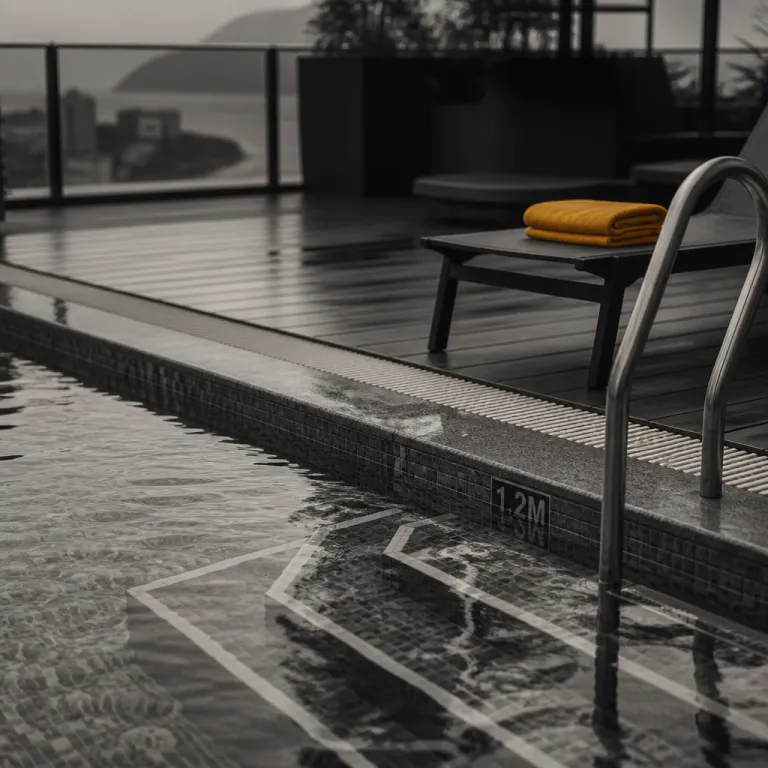
For pool obsessed luxury travel, the depth and length matter more than the infinity edge. A 1.2 metre deep pool is for wading, posing and family friendly splashing, while a 1.6 metre deep lane of at least 20 metres allows real swimming during your stay. When you evaluate hotels pools online, read the small print and guest comments about depth, because many star hotels quietly flatten their pools to one shallow level to reduce lifeguard costs, which is fine for a casual vacation but frustrating for serious swimmers who want a proper lap pool rather than a decorative basin.
Depth, length and orientation: reading what the photos will not tell you
Pool photography on any luxury hotel website is designed to sell the view, not the swim. When you study how to choose luxury hotel pool options, ignore the first hero shot and search for side angles that reveal depth markers, lane lines and the real length of the basin. If every image is cropped tight or taken at dusk, assume the hotel is hiding something about size, shade, pool hygiene or maintenance.
Depth is the first technical detail that separates the best hotels for swimmers from the rest. A star hotel that lists a uniform 1.2 metre depth is signalling that the pool is primarily a social space for hotel guests, not a training ground, while a luxury resort that offers a deeper section or a dedicated lap lane is investing in a more serious aquatic experience. When you read reviews on booking platforms, filter for the word “deep” and compare how different hotels in the same city describe their pools, because that contrast often reveals which property is the best luxury choice for your travel style.
Orientation and sun exposure matter as much as depth, especially for a rooftop pool or an exposed outdoor pool in a hot climate. A south facing pool in a Mediterranean resort will be sun drenched all day, which is ideal in spring but can feel punishing in high summer, while a partially shaded rooftop pool in a Gulf city can be the only comfortable place to swim at midday. For urban escapes, study satellite maps and specialist guides to city rooftop pools that compete with the coastline where the urban skyline replaces the sea, because these resources often explain how the surrounding street grid and towers cast shade at different times.
Material choices, geometry and the quiet language of design investment
Once you have checked depth and orientation, the next step in how to choose luxury hotel pool experiences is to read the materials. Dark finishes, precise geometric shapes and high quality tile work usually indicate that the hotel management has treated the pool as a design object rather than a cost centre. When a luxury hotel invests in stone coping, flush skimmers and non slip decking, it is signalling long term commitment to both aesthetics and safety for hotel guests.
Look closely at the junctions in every pool photo, because details rarely lie. If you see uneven grout lines, mismatched tiles or plastic edging in a supposed star hotels category, you can safely assume that maintenance may be equally casual, while a luxury resort with crisp lines and consistent materials usually maintains water chemistry and surfaces with the same discipline. For serious luxury travel, the best luxury properties treat the pool as a gallery piece, and you can often confirm this by reading design press coverage or by exploring in depth reviews that dissect how materials, levels and the horizon line interact.
Geometry also reveals intent, especially in hotels that market themselves as design led. A simple rectangle can be sublime when it is long enough for laps and aligned with a sea or city view, while a fussy shape with many curves often wastes swimable length and complicates cleaning. When you compare hotels pools across different resorts, ask whether the form serves the swim or only the photograph, because the perfect luxury pool is the one where the edge dissolves into the landscape and you forget which blue is which.
Service markers, courtesy details and the difference between a pool and a photo set
Service turns a beautiful hotel pool into a place where you actually want to spend time. When you read guest comments, look for concrete markers such as towel availability, the courtesy level of attendants and the quality of the poolside menu rather than vague praise about the view. A pool can be visually stunning yet feel neglected if you must chase towels, queue for drinks or navigate unclear rules during your stay.
Reviews often reveal more about hotel amenities than official descriptions, especially in luxury hotels that rely on their name to carry expectations. Search for mentions of sunbed policies, whether staff reserve loungers for certain room categories and how quickly empty glasses are cleared, because these details show whether the hotel treats the pool as a core part of the luxury resort experience or just another facility. When you evaluate best hotels for a pool focused vacation, prioritise properties where guests praise the équipe for proactive service rather than only the architecture, since consistent attention usually reflects strong hotel management behind the scenes.
Food and beverage quality around the pool is another subtle but telling signal. A star hotel that offers a thoughtful poolside menu with fresh options, non alcoholic choices and responsive timing is demonstrating respect for both wellness and indulgence, while a supposedly best luxury property that serves only generic snacks may be coasting on its rooftop view. When you plan luxury travel, remember that you will likely spend several hours at the pool, so the time saved by attentive service and the comfort created by small courtesies can matter more than an extra square metre of water.
Urban rooftop pools, resort lagoons and how to match your travel style
Not every great swim happens in a tropical lagoon, and not every rooftop pool is automatically special. When you consider how to choose luxury hotel pool options in a dense city, think about how the pool interacts with the skyline, the street noise and the prevailing winds rather than only the height. A well designed rooftop pool in a compact hotel can feel like a private club if the deck is sheltered, the capacity is controlled and the view frames a distinctive part of the city.
Urban properties such as Marina Bay Sands in Singapore or the Joule in Dallas show how a rooftop pool can become a social hub for both hotel guests and locals, but that energy may not suit every travel style. If you prefer a quiet stay, look for reviews that describe the pool as calm in the morning and note whether the hotel hosts public events on the deck, because those parties can transform a serene space into a crowded venue at peak time. For more inspiration on how different cities handle height, water and light, explore curated guides to city rooftop pools that compete with the coastline, which often compare how various hotels balance access, privacy and atmosphere.
Resort lagoons and ground level outdoor pool complexes tell a different story, especially in coastal destinations. A luxury resort that positions its main pool parallel to the shoreline and slightly above the beach often creates a layered view that feels more cinematic than a simple beachfront rectangle, while family friendly resorts may carve out separate quiet zones for adults who want a more refined swim. When you book stay options for a longer vacation, decide whether you want the social buzz of a city rooftop pool or the slower rhythm of resort pools that stretch along the landscape, because the wrong choice can make even the best hotels feel misaligned with your expectations.
How to interrogate photos, reviews and data before you book stay
Most travellers now research hotels pools online long before they arrive, yet few apply the same rigour to the pool as they do to room categories. To master how to choose luxury hotel pool experiences, follow a simple pre booking routine that combines official photos, guest images and recent comments about maintenance and access. Industry surveys such as the American Hotel & Lodging Association’s Lodging Survey report that a majority of hotels offer some form of pool, while guest satisfaction research from J.D. Power shows that recreation facilities, including pools, contribute measurably to overall stay ratings, so this is not a marginal amenity.
Start with the hotel website, then cross check with booking platforms and travel forums that allow unfiltered guest photos. When you read these images, look for water clarity, the condition of loungers and umbrellas, and whether the pool deck appears crowded at different times of day, because these visual clues often tell you more than any marketing post. Health inspectors and local regulations set minimum standards, yet the real difference between a basic hotel and a true luxury hotel lies in how consistently the équipe maintains surfaces, manages capacity and communicates rules to hotel guests.
Before you finalise a price sensitive decision, contact the property directly to verify pool hours, any maintenance closures and whether towels are provided as a courtesy or charged as an extra. A practical rule of thumb is simple: to verify pool cleanliness, check recent guest reviews and photos; to confirm whether hotel pools are open year round, ask the property directly; to avoid surprises about towels, inquire ahead. For travellers who want deeper curation, specialist platforms and editorial round ups that highlight the best hotel pools in Orlando or other destinations can serve as a benchmark when you compare star hotels, luxury hotels and different resorts across regions.
Key figures that help you read a hotel pool
- Industry reporting such as the AHLA Lodging Survey indicates that a large proportion of hotels worldwide now offer some form of pool, which means the presence of water alone no longer differentiates a property in the luxury segment.
- Guest feedback studies from firms like J.D. Power consistently show that pool experiences and other leisure facilities account for a notable share of overall satisfaction, so a disappointing swim can significantly reduce the perceived value of an otherwise strong stay.
- Many leisure focused resorts design pools with a uniform depth close to 1.2 metres, which is ideal for casual use but limits serious lap swimming compared with deeper basins of 1.5 to 1.8 metres.
- Rooftop pool installations typically cost substantially more per square metre than ground level outdoor pool builds, which is why some city properties prioritise view driven rectangles or compact rooftop plunge pools over longer, swim friendly designs.
- Hotels that publish clear pool hours, maintenance schedules and accessibility information on their websites tend to receive higher review scores for transparency and trust, especially among luxury travel guests.
FAQ about reading a hotel pool before you book
How can I verify a hotel pool’s cleanliness before I arrive ?
The most reliable way to verify cleanliness is to study recent guest photos and read detailed reviews that mention water clarity, smell and visible maintenance. Look for consistent comments over several months rather than a single complaint or compliment. If you still have doubts, contact the hotel management directly and ask how often the pool is tested, filtered and cleaned.
What is the minimum depth and length for a comfortable swim ?
For most adults, a depth of around 1.4 to 1.6 metres feels comfortable for swimming without touching the bottom on every stroke. A length of at least 20 metres allows you to establish a rhythm, while anything shorter becomes more of a plunge or social pool. If lap swimming is central to your stay, prioritise properties that explicitly mention lap lanes, sport oriented pools or training friendly dimensions.
How do I know if a pool will be crowded during my stay ?
Crowding patterns often appear in guest reviews, where travellers mention difficulty finding loungers at certain times of day. Study photos taken at different hours and note how many people share the deck, then cross check with the number of rooms in the hotel to estimate capacity pressure. You can also ask the property whether they limit access to hotel guests only, sell day passes to external visitors or host regular pool parties.
Are rooftop pools better than ground level outdoor pools ?
Rooftop pools excel at views and atmosphere, especially in dense city centres, while ground level outdoor pools usually offer more space, landscaping and quieter corners. The best choice depends on whether you value skyline drama or relaxed swimming and shade. When comparing options, consider wind exposure, elevator access and event programming, because these factors strongly influence your daily experience.
Should I prioritise a pool when choosing a hotel for a short city break ?
If you plan to spend most of your time exploring the city streets, a pool may be a pleasant extra rather than a central feature. However, in hot climates or after long flights, even a small but well maintained pool can dramatically improve recovery and comfort. For short stays, focus less on size and more on opening hours, water temperature and the ease of access from your room.