Reading a hotel from the rooftop pool down
A rooftop pool tells you more about a hotel than any lobby. When a property lifts its main swimming pool to the rooftop, it is declaring that views, social energy and the city skyline matter more than garden quiet or beach proximity. For guests planning rooftop pool hotel experiences, that choice of height over ground level becomes the first filter for deciding whether the stay will feel like a private retreat or a stage set.
Urban developers now treat rooftop pools as social engines, not just places for swimming. PUBLIC in West Hollywood, for example, devotes a large open air rooftop terrace to a 360 degree view, turning the pool deck into the hotel’s social centerpiece where a bar, restaurant and lounge seating frame the water. That scale shapes crowd dynamics; guests expecting a silent lap session at the top of a city tower may be surprised to find a DJ, a cocktail bar and a scene that runs late into the night.
Rooftop pools also come with constraints that define the experience long before you enjoy the first swim. Structural limits mean the pool is often narrower, shallower and more linear than resort style pools, so the design focus shifts to the city panorama, the quality of the pool deck furniture and the choreography between bar service and swimming zones. For business leisure travellers extending a work trip, the best rooftop pool can be ideal for a short pre meeting swim, but only if you check pool hours, wind exposure and whether rooftop bars host events that might crowd the water at sunset.
Rooftop pools, infinity edges and the urban social script
Not all rooftop pool hotel experiences are created equal, even within the same city. Some hotels use a rooftop pool as a quiet sky garden, while others lean into a full rooftop bars concept with live music, a restaurant and a bar forward hotel identity that competes with standalone venues. For travellers who value the swim itself, the key is understanding whether the rooftop pool is designed as a place to enjoy laps or as a stage for people watching and crafted cocktails.
Infinity pool design has become the visual shorthand for luxury in rooftop pools, especially in dense districts where the edge seems to dissolve into the skyline. In Singapore, the famous rooftop pool at Marina Bay Sands stretches along the hotel rooftop like a suspended park, turning every swim into a slow procession above the bay and the harbour lights. That same principle appears in pools NYC wide, from compact infinity pool concepts near the Brooklyn Bridge to more understated swimming pool terraces where the view hotel emphasis is on architectural silhouettes rather than sheer height.
For guests choosing between room types, the relationship between the rooftop pool and private water access matters. Some properties pair a dramatic hotel rooftop pool with swim up suites or plunge pools at lower levels, creating layered water experiences that suit both social and solitary moods; guides to swim up suites and private plunge pools can help you balance those options. When you evaluate hotels, look at how the rooftop, the pool deck and the adjacent bar or restaurant are zoned, because that layout will dictate whether you can enjoy a quiet morning swim before meetings or only find space during the heat of the summer afternoon.
Clifftop drama, garden calm and the pull of the ocean
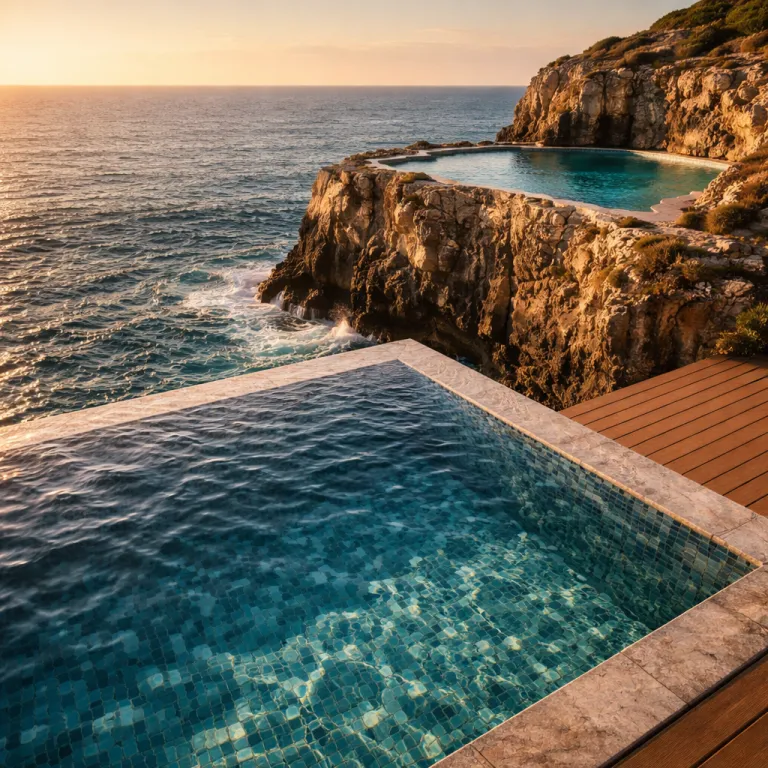
Move away from the city and rooftop pool hotel experiences give way to clifftop and hillside drama. In mountain destinations near Banff, new openings use elevation and landscape as primary design elements, carving an infinity pool into the slope so that the waterline mirrors the horizon. Guests who enjoy that vertigo tinged swim often say the best moment is when the edge disappears and the view of the city or valley becomes a single plane of blue and green.
Garden level pools tell a different story, one of serenity and immersion in nature rather than spectacle. Here the swimming pool is usually framed by trees, low lighting and soft landscaping, so the emphasis shifts from the skyline view to the sound of water and the feeling of grass underfoot as you cross the pool deck. For business travellers, these hotels can be ideal when you want a pre meeting swim without the distraction of a rooftop bar soundtrack or the social pressure of a top floor scene.
Beach adjacent pools raise a more curious design question, especially in places like Rio de Janeiro or along the Mediterranean coast near Barcelona. Why build a pool next to the ocean at all, when the sea is metres away and free to enjoy? The answer lies in control and comfort; a hotel pool offers filtered water, attentive bar service, a restaurant within steps and the ability to manage crowds, which can matter during peak summer when public beaches feel more like festivals than retreats, and some properties even add a structured day pass system to keep numbers balanced.
For readers tracking new openings, curated resources such as the guide to pool hotels worth booking before the crowd arrives can highlight which clifftop, garden or oceanfront pools are genuinely design led. When you compare these with urban rooftop pools, you start to see how the placement of the water signals whether the hotel wants to be a social hub, a wellness retreat or a quiet base for extended travel.
Indoor sanctuaries, crowd patterns and the business leisure lens
Basement and indoor pools rarely dominate glossy marketing, yet they often deliver the most reliable swims. For frequent travellers who care more about water temperature and lane length than the perfect Instagram view, an indoor swimming pool can be the best ally, especially in cities with harsh winters or heavy rain. These pools usually sit away from the main bar and restaurant, which means fewer spectators and more predictable lap times before or after a full day of meetings.
Pool placement has a direct impact on crowd dynamics, noise levels and the quality of solitude you can expect. A rooftop pool above a busy city street will often attract external guests through a day pass system, especially in destinations like pools NYC or hotel Brooklyn properties that trade on skyline views of the Brooklyn Bridge and beyond. By contrast, a lower level pool hidden behind a spa corridor tends to draw only in house guests, so the atmosphere stays quieter even during peak summer travel periods.
For business leisure travellers, the question is not simply which hotel has the best pool, but which pool aligns with your schedule and energy. A high profile rooftop with a cocktail bar and live DJ might be perfect for a late night swim after a client dinner, while a discreet indoor pool suits the pre breakfast routine when you want to enjoy silence. When you read that urban rooftop pools are growing faster than ground level resort pools in new developments, remember that this reflects investor focus on social spaces; your task is to decide whether you want to be part of that scene or swim slightly apart from it.
How to read rooftop pool hotel experiences before you book
Before committing to any rooftop pool hotel experiences, treat the pool as a primary decision factor, not an amenity afterthought. Start by mapping the relationship between the pool, the rooftop and the rest of the hotel, asking whether the water sits beside a restaurant, a quiet spa or a high energy cocktail bar. This simple exercise reveals whether the property is selling a contemplative swim, a social club in the sky or a hybrid that shifts mood from day to night.
Practical details matter as much as dramatic views. Industry commentary suggests that there are now dozens of hotels with rooftop pools in the United States alone, and policies vary widely on access, reservations and whether non guests can buy a day pass. As one standard response from hotel teams puts it, “Are rooftop pools open year round? Depends on the hotel's location and climate.”; “Do rooftop pools require reservations? Some hotels require reservations for pool access or cabanas.”; “Are rooftop pools accessible to non guests? Policies vary; some hotels offer day passes to non guests.”
When you compare options from Barcelona to Rio de Janeiro or from Marina Bay Sands to a view hotel in St Louis, focus on how you personally like to enjoy water. If you want a social evening, look for a hotel rooftop with a bar forward hotel concept, a strong restaurant and a pool deck that stays open into the night, ideally with multiple views so guests can shift between quiet corners and the top terrace. For a more measured approach, curated resources such as this elegant guide to refined hotel pools show how thoughtful design, attentive staff and clear pool hours can turn a simple swim into the most memorable part of your travel.
FAQ about rooftop pool hotel experiences
Are rooftop pools usually open throughout the year?
Operation depends entirely on the hotel’s location, climate and safety standards. In warmer destinations such as Barcelona, Rio de Janeiro or Marina Bay, a rooftop pool may operate almost year round with only brief maintenance closures. In colder cities, many hotels close rooftop pools during winter and rely on indoor pools for consistent swimming.
Do I need a reservation to use a hotel rooftop pool?
Some hotels allow in house guests to access the pool deck freely, while others require reservations for loungers, cabanas or specific time slots. High demand properties with a strong rooftop bars scene or a famous infinity pool often use booking systems to control crowd levels. Always check pool hours and reservation rules before you travel, especially if you plan a pre meeting swim or a sunset visit.
Can non guests access rooftop pools with a day pass?
Access policies vary widely between hotels and cities. Many urban properties, particularly in pools NYC or near the Brooklyn Bridge, sell a limited day pass that includes use of the swimming pool, towels and sometimes a credit at the bar or restaurant. Resort style hotels are more likely to reserve rooftop pools for registered guests only, especially during peak summer periods.
What is the best pool type for business travellers?
For a reliable pre meeting swim, an indoor swimming pool or a quieter garden level pool usually works better than a high profile rooftop scene. If you enjoy socialising after work, a hotel rooftop with a cocktail bar and skyline views can be ideal, provided you are comfortable with music and crowds. The most important factor is alignment with your schedule; early risers should prioritise pools that open at dawn, while night owls can focus on properties where the water stays open late.
How do I choose between a rooftop pool and a beachside pool?
Rooftop pools emphasise city views, design and social energy, making them ideal if you value skyline perspectives and curated bar service. Beachside pools work better when you want quick access to the sea but still appreciate the control of a hotel environment, including filtered water and attentive staff. If you enjoy both, consider hotels that offer a rooftop pool for sunset and a ground level swimming pool near the shore for daytime laps.
Sources
Hotel industry commentary on rooftop pool development trends; tourism boards and official city hospitality data for destinations such as Singapore, Barcelona and New York City; property level information from leading hotels including Marina Bay Sands and PUBLIC West Hollywood.