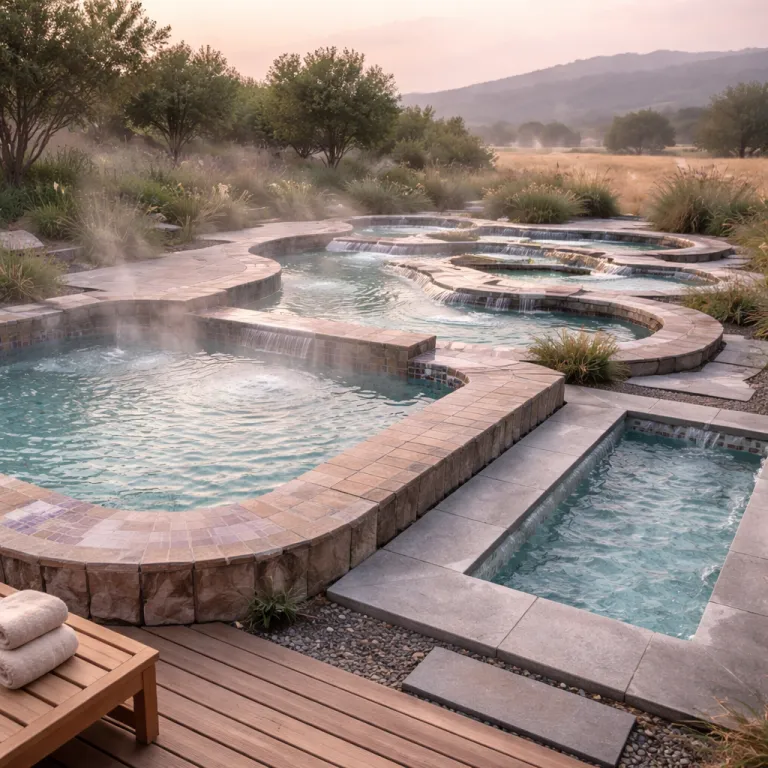
Where the hotel thermal pool wellness experience truly begins
Luxury travelers are no longer satisfied with a pretty pool and a cocktail. They want a hotel thermal pool wellness experience where the water itself shapes the day, the body, and the mood. In the best hotels, thermal pools, cold plunges, and hydrotherapy circuits are curated with the same care as fine dining menus, giving guests a spa experience that feels both indulgent and clinically informed.
Think of the difference between a standard spa pool and a genuine thermal spa circuit. In a simple pool, the water is background scenery; in a true spa wellness program, carefully calibrated heat, mineral water content, and contrasting cold water immersion work together to deliver targeted health benefits. The most forward-thinking hotel teams now design full-day itineraries where guests move between thermal baths, saunas, steam rooms, and cold plunges in a sequence that supports circulation, sleep, and recovery, often guided by spa hosts or printed circuit maps.
This shift is global, from alpine springs to urban retreats in downtown Dallas. At geothermal icons such as Blue Lagoon in Iceland, mineral hot waters rich in silica and algae are the main event, not an add-on. According to figures shared by Blue Lagoon in its visitor statistics, the site welcomes around a million guests each year, underscoring the appeal of mineral-rich geothermal bathing. Wellness-focused brands like Six Senses and AYANA Spa integrate natural hot springs, hydrotherapy pools, and targeted spa treatments into stays that feel less like a quick spa visit and more like a complete hotel thermal pool wellness experience woven through every day of the trip.
From spa pool to hydrotherapy circuit: how hotels design the flow
A spa pool becomes transformative when it is part of a deliberate hydrotherapy circuit. The best hotels map a journey through hot, cold, and rest phases, using thermal pools, saunas, steam rooms, and cold water features to guide the body through gentle stress and recovery. Hydrotherapy circuits involve alternating between hot and cold water treatments to stimulate circulation and promote healing, typically in cycles of 15–25 minutes including rest, based on common spa practice rather than strict clinical rules.
In practice, that might mean starting in a 38 °C thermal bath for 10–15 minutes, moving to a dry sauna at higher heat for 8–12 minutes, then stepping into a 10–15 °C cold plunge for 30–60 seconds before resting in a quiet lounge for at least five minutes. Some properties add sensory layers, such as aromatherapy in the steam room or underwater jets in a vitality pool that target the legs and lower back. When you book a hotel for a spa wellness-focused stay, ask whether the spa experience includes a mapped circuit with recommended timings or just access to individual pools without guidance.
Resorts in volcanic regions often use natural hot springs as the hot phase anchor, while city hotels rely on heated mineral water pools to mimic the effect. In Las Vegas, for example, several luxury properties now pair glamorous social pools with quieter wellness decks, a contrast explored in depth in our guide to the best hotel pools in Las Vegas for luxury and relaxation. Wherever you travel, the most rewarding hotel thermal pool wellness experience will offer both thermal baths for immersion and cold plunges for contrast, rather than a single feature pool that tries to serve every purpose at once.
Thermal pools, hot springs and mineral water: when the source matters
Not all hot water is created equal, and serious spa wellness travelers know to ask about the source. Natural hot springs and thermal pools fed directly from underground springs often contain mineral water rich in silica, sulfur, or magnesium, each associated with specific health benefits in traditional balneotherapy. Thermal pools can aid in relaxation, improve circulation, and alleviate muscle pain, while certain mineral compositions are prized for skin-soothing or anti-inflammatory effects in long-standing bathing cultures.
In Iceland, Blue Lagoon’s milky blue thermal pools are famous for their high silica content, which leaves the body feeling weightless and the skin noticeably softer after a full-day soak. In Bali, AYANA Spa uses seawater-based spa treatments in its thalassotherapy pool, where the combination of heat, buoyancy, and trace minerals supports both relaxation and recovery. When you book a hotel promising a mineral hot pool, check whether the water is genuinely geothermal or simply heated tap water with added salts, and ask staff how frequently the pools are refreshed or filtered.
Urban retreats are catching up fast, especially in cities like Dallas where natural hot spring access is limited. A luxury hotel in downtown Dallas might offer a thermal spa with multiple pools at different temperatures, a steam room infused with local botanicals, and a sauna designed for contrast sessions with a nearby cold plunge. For travelers who value design as much as geology, properties such as Savannah’s Mansion on Forsyth Park, profiled in our review of an urban resort with pool, spa and fine dining, show how a carefully crafted hotel thermal pool wellness experience can rival natural hot springs through lighting, materials, and thoughtful temperature zoning.
Cold plunges, ice baths and the rise of contrast therapy
Cold water immersion has moved from athlete recovery rooms into mainstream luxury hotels. Many new spa wellness facilities now feature dedicated cold plunge pools kept between 10 and 15 °C, positioned beside hot thermal baths or saunas to encourage contrast therapy. Are ice baths safe for everyone? Ice baths may not be suitable for individuals with cardiovascular issues; consult a healthcare provider, and follow posted guidelines on maximum exposure times, which often recommend starting with just a few breaths in the water and building up gradually.
In alpine resorts, the ritual might involve stepping from a panoramic sauna into the snow, then into a cold plunge carved from ice, before returning to a mineral hot pool overlooking the mountains. Coastal properties sometimes use direct ocean access as the cold phase, pairing it with heated thermal pools on the deck for a powerful hot spring-style contrast. Six Senses resorts worldwide have been early adopters of this approach, integrating cold plunges, ice fountains, and cold water showers into their spa treatments as standard elements rather than optional extras, and training staff to coach guests through their first contrast cycles.
For families, the key is separating playful pools from serious contrast zones so that guests can choose their level of immersion. Some hotels now offer a day pass to the spa wellness area, allowing non-staying guests to sample the full hydrotherapy circuit, including cold plunges and thermal baths, without committing to a full-day package. When you book a hotel for a hotel thermal pool wellness experience, look for clear guidance on how long to stay in each pool, how many hot and cold cycles are recommended for beginners versus regular users, and whether staff are trained to supervise first-time cold water users and intervene if anyone feels unwell.
Designing a wellness day: from morning springs to evening steam
A well-planned spa wellness itinerary turns a simple swim into a structured experience. Start the day with a quiet visit to the thermal pools, when the water is calm and the light is soft, then move to more active spa treatments as the heat builds outside. Many luxury hotels now provide suggested schedules so that guests can enjoy a full day of hydrotherapy without feeling rushed, often printed on in-room cards or shared during check-in.
One effective rhythm is to begin with a warm mineral water soak, followed by a short sauna session and a brief cold plunge, then rest with herbal tea before repeating the sequence two or three times. Families can adapt this by alternating time in the main pool with shorter visits to the thermal spa area, ensuring that children enjoy the water while adults still benefit from the health benefits of hot and cold contrast. Properties such as those featured in our review of refined luxury pool stays in Costa Rica show how a hotel thermal pool wellness experience can be woven seamlessly into wildlife excursions and beach days, with morning soaks easing jet lag and evening steam sessions supporting deep sleep.
When you book, ask whether the spa wellness team can tailor a hydrotherapy circuit to your needs, especially if you are recovering from travel fatigue or training. Some hotels offer targeted spa treatments, such as leg-focused hydro massage in a dedicated pool, followed by a steam room session with local botanicals to support breathing. The most thoughtful properties understand that guests will arrive with different energy levels, so they design flexible circuits that can be shortened for a quick day pass visit or expanded into a full-day retreat, and they often note any contraindications for guests with specific medical conditions.
Family friendly wellness pools and global bathing traditions
For premium families, the challenge is balancing child-friendly pools with genuinely therapeutic spaces. The smartest hotels create layered zones, with one main pool for play, quieter thermal pools for adults, and shared areas where the whole family can enjoy warm water without intense heat. Clear signage about temperatures, depth, and recommended ages helps guests navigate the spa wellness landscape with confidence and reduces the need for awkward conversations at the pool edge.
Regional traditions offer useful models for this zoning. Japanese onsen culture, Icelandic hot pots, and Turkish hammam pools all distinguish between social pools for conversation and hotter thermal baths designed for shorter, more focused immersion. In some European spa towns, historic properties even feature castle hot springs, where stone-walled thermal baths sit beside cold water plunge pools, creating a natural hydrotherapy circuit that families can adapt by time of day and pool choice, with quieter adult sessions in the early morning and more relaxed mixed bathing later on.
When you book a hotel promising a hotel thermal pool wellness experience, look for references to these traditions in the design language. A hammam-inspired steam room with a central warm pool can be more welcoming for children than a very hot sauna, while shallow mineral water pools allow younger guests to enjoy the sensation of springs without overexposure to heat. As global wellness tourism grows, with the market valued in the hundreds of billions of dollars according to estimates from the Global Wellness Institute, more hotels will refine this balance between serious spa experience and inclusive, multi-generational pool culture.
Urban sanctuaries: when downtown Dallas feels like a thermal spa town
Wellness travel is no longer confined to remote mountains or rural springs. City hotels from Dallas to Singapore now compete to offer a hotel thermal pool wellness experience that rivals classic spa towns, using design, lighting, and carefully controlled water to create a sense of escape. In downtown Dallas, for example, several luxury properties have carved out spa wellness floors that feel a world away from the streets below, with soundproofing, warm stone finishes, and indirect lighting that mimics candlelight.
A typical urban circuit might start in a dimly lit thermal bath, continue through a sequence of saunas and steam rooms, then finish with a cold plunge before guests return to their rooms. Some hotels sell a day pass to these facilities, turning the spa experience into a standalone attraction for locals who want the health benefits of hot and cold water without leaving the city. When you book a hotel in a business district, ask whether the spa treatments menu includes access to thermal pools and hydrotherapy circuits or whether these are reserved for package guests, and check opening hours to ensure the facilities fit around meeting schedules.
Partnerships with specialist operators help raise standards. Blue Lagoon in Iceland, AYANA Spa in Bali, and Six Senses resorts worldwide all demonstrate how to integrate natural hot springs, mineral water pools, and contrast therapy into a coherent spa wellness narrative. As more urban hotels study these models, guests will find it easier to enjoy a meaningful hotel thermal pool wellness experience on a short city break, whether they are in Dallas for meetings or in another global hub for a quick cultural escape, and to understand exactly what is included before they arrive.
Key figures shaping wellness pool travel
- The global wellness tourism market is valued in the high hundreds of billions of US dollars according to the Global Wellness Institute, highlighting how spa wellness and thermal pool travel have moved into the mainstream luxury segment and are growing faster than overall tourism.
- Blue Lagoon in Iceland reports welcoming around a million visitors annually in recent years in its public data, showing the strong international appetite for mineral water-based thermal pools and geothermal spa experiences that place bathing at the center of the stay.
- Industry reports indicate that many new alpine resorts now feature cold plunge pools maintained around 10–15 °C, reflecting the rapid adoption of cold water immersion as a standard spa wellness amenity rather than a niche athletic recovery tool.
- Hydrotherapy circuits that combine hot springs, saunas, steam rooms, and cold plunges are expanding worldwide, as luxury resorts and local spas integrate traditional bathing practices with modern wellness expectations and evidence-informed temperature guidelines.
FAQ about thermal pools, ice baths and hydrotherapy circuits
What are the main health benefits of thermal pools?
Thermal pools support relaxation by easing muscle tension and encouraging the body to release stress. The combination of heat and buoyancy can improve circulation, which many guests feel as a lightness in the legs after a full day of soaking. Mineral-rich springs may also help alleviate mild joint pain, although guests with medical conditions should seek professional advice before extended use or very hot soaks, especially if they take medication that affects blood pressure.
How do hydrotherapy circuits work in luxury hotels?
Hydrotherapy circuits guide guests through alternating phases of hot, cold, and rest to stimulate circulation and recovery. A typical sequence might include a warm thermal bath, a sauna or steam room, a brief cold plunge, and then a quiet relaxation period before repeating the cycle. Hotels with strong spa wellness programs usually provide clear instructions so that guests can adapt the circuit to their comfort level and time available, and many recommend starting with two or three rounds rather than attempting a full day on the first visit.
Are ice baths and cold plunges suitable for everyone?
Cold water immersion places sudden stress on the cardiovascular system, so it is not appropriate for every guest. People with heart conditions, uncontrolled high blood pressure, or certain circulatory disorders should consult a healthcare provider before using cold plunges or ice baths. Even for healthy guests, staff usually recommend short exposures, controlled breathing, and gradual adaptation within a supervised spa experience, exiting immediately if they feel dizzy, numb, or short of breath.
What should I check before booking a hotel for a wellness pool stay?
Before you book, confirm whether the hotel offers genuine thermal pools or standard heated pools, and ask if the water is sourced from natural springs or municipal supplies. Review the spa treatments menu to see if access to saunas, steam rooms, and cold plunges is included or sold as a day pass, and whether there are peak times when access is restricted. Families should also check age policies for spa wellness areas, as some thermal baths and contrast circuits are adults-only or require parental supervision for teenagers.
How can families use wellness pools safely with children?
Families should prioritize moderate temperatures and limit time in very hot pools, saunas, and steam rooms for younger guests. Many hotels provide shallower mineral water pools or warm springs-style baths that are suitable for children, while reserving hotter thermal baths and cold plunges for adults. Clear communication with spa staff helps tailor the hotel thermal pool wellness experience so that every member of the family enjoys the water comfortably and safely, with agreed time limits, rest breaks, and meeting points.