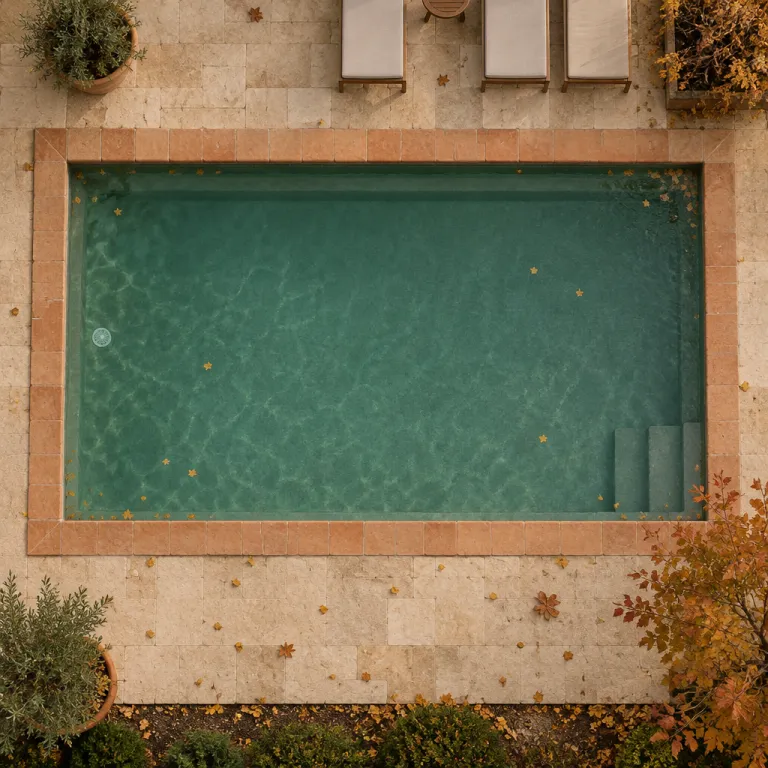
The quiet magic of the last heated outdoor swim
The most atmospheric swim of the year rarely happens in midsummer. It arrives in the final open weeks, when a heated outdoor pool at a winter luxury hotel sends steam into cold air and the deck finally falls silent. You slip into the water and feel warmth wrap around your shoulders while the sky turns silver and the views sharpen in the clear light.
For couples planning winter getaways, this is the moment when pools stop being a social scene and become a private ritual. A well designed resort pool in this shoulder season feels like a cove of warmth, with the surrounding area almost empty and the sense that you have the hotel to yourselves. The contrast between hot outdoor water and the crisp air is perfect for guests who want romance rather than a full day of loud families and inflatable toys.
Public facilities in the United States close much earlier, which only heightens the appeal of a resort that keeps its outdoor pools open. In cities such as Chicago and Kenosha, park departments shut neighborhood pools around Labor Day, and “Outdoor pool schedules more variable than previous years” has become a recurring message from recreation teams. When local park pools close, a heated outdoor pool at a mountain resort or coastal retreat offers a rare late season swim that feels like a private club.
Luxury properties that understand this mood design their outdoor pool area as a stage for light. You want darker pool finishes that hold heat, underwater lighting that glows softly at dusk, and cabana layouts that frame long views rather than the bar. The best late season winter getaways use the pool as a quiet centerpiece, not a party park, and they lean into the feeling that this might be your last swim before snow arrives.
Which luxury hotels keep the water warm longest
Not every hotel is built for a heated outdoor pool late in the season. Properties that close their outdoor pools as soon as the year turns toward autumn tend to be beach resorts that treat the pool as a summer amenity only. You are looking instead for a resort or mountain hotel that treats its main pool as an almost year round signature, with serious heating systems and wind protection.
Cold climate specialists lead the way here, especially in places where snow and steam are part of the brand. A mountain resort with a strong spa culture will often keep at least one outdoor pool and one hot tub open deep into the shoulder season, creating a circuit between hot springs style pools, saunas and indoor relaxation rooms. When a resort spa invests in this kind of infrastructure, the resort features usually highlight it clearly, because the heated outdoor water becomes a defining part of the guest experience.
In the United States, look at alpine properties such as Deer Valley, where a heated outdoor pool framed by pines and peaks can feel like a private cove at the end of the day. At the St. Regis Deer Valley, couples linger in the outdoor pools long after the slopes close, moving between pool and hot tub as the air cools; the hotel notes that its year round heated infinity pool is a core part of the après ski scene. For more on how enclosed spaces complement these experiences, our guide to the indoor pool comeback explains why an indoor swim can extend the romance when the terrace finally ices over.
Coastal resorts can also work, provided they treat the resort pool as a destination rather than a backdrop. In New England, Cape Codder Resort and the Cape Codder properties have long understood that families and couples still want water when the ocean is too cold, so at least one heated pool or water area usually remains central to their winter getaways marketing. Always read how the resort offers describe their pools, because a line about year round access or a sheltered outdoor pool often signals that you can plan a last swim well past the traditional closing dates of city pools and park facilities.
Design details that make late season pools unforgettable
Once you have confirmed that a heated outdoor pool is open, design is what turns a simple swim into a story. The best late season winter luxury hotel stays use water, light and landscape to create a sense of theatre, especially in the final hour of the day. You are not chasing dolphin pools or water park thrills here, but a calm, adult focused experience where the edge of the pool seems to dissolve into the horizon.
Look for outdoor pools with strong sightlines, ideally where you can float facing mountains, forest or city skylines rather than the bar wall. A property such as Hotel Terra in Jackson Hole, or a similar mountain resort, often places its heated outdoor pool on an upper terrace, so the views feel cinematic when the first snow dusts the peaks. When the resort features include a hot tub perched beside the main pool, you can alternate between hot and slightly cooler water as the air temperature drops, stretching a single swim into a full day ritual.
Materials matter as much as views, especially when you are swimming in cold air. Darker pool interiors absorb more heat, while stone decks hold warmth underfoot longer than slick tiles, which helps guests of all ages move comfortably between pool and cabana. For couples, a semi private cabana with wind protection and soft lighting turns the pool area into an evening lounge, especially when the resort spa is just steps away for a final steam.
Lighting is the final layer that separates a late season heated outdoor pool at a winter luxury hotel from an ordinary resort. You want underwater LEDs tuned to warm tones, minimal glare from the surrounding area, and pathways that guide you safely between outdoor pool, hot tub and indoor spaces. For more inspiration on how alpine properties choreograph this, our feature on swimming into autumn in alpine heated pools shows how the last golden light meets the first cold air in some of the most atmospheric resort pool settings in the world.
How to book smart for the final open weeks
The most common late season disappointment is simple and brutal. Guests arrive expecting a heated outdoor pool at a winter luxury hotel, only to find the outdoor pool closed and the water already drained. Avoid this by treating pool status as a core part of your pre booking checklist, not a detail to skim in the small print.
Start by emailing the hotel directly and asking precise questions about their pools. You want written confirmation that at least one outdoor pool will be heated and open for your exact dates, and that a hot tub or similar facility will operate even if the main resort pool closes early. Ask whether the resort offers any year round water options, such as indoor pools, hot springs style baths or a covered cove area that stays protected from wind.
A short message keeps things clear. For example: “We are planning a late season stay from October 20–23 and hope to use the outdoor pool. Can you confirm in writing that at least one outdoor pool or hot tub will be heated and open on these dates, and note any scheduled maintenance closures?” This kind of email gives you a dated reply you can refer back to if operations change.
Timing matters as much as location, because many operators still follow public pool patterns. In the Midwest and Northeast of the United States, city pools often close around Labor Day, and local recreation departments explain that “Declining registrations, staff return to school, cooling water temperatures” are the main reasons. Luxury hotels do not face the same staffing constraints as a Chicago park or a Kenosha neighborhood pool, but they still balance energy costs and demand, so late autumn operations can change from year to year.
When you compare properties on a booking platform such as amazing-pool-stay.com, read beyond the headline photos and look for operational clues. Mentions of winter getaways, year round spa access, or specific references to snowshoe mountain style settings usually indicate a commitment to cold season water experiences. If a resort in Deer Valley or a coastal property like Cape Codder Resort highlights that its resort features include an outdoor pool open in shoulder seasons, you are far more likely to secure that last, perfect swim before winter fully arrives.
FAQ
Why do so many outdoor pools close just after summer ?
Public outdoor pools in the United States often close around Labor Day because demand drops sharply when schools reopen and evenings cool. Recreation departments also struggle to keep lifeguards once students return to class, which makes it harder to staff every pool safely. This is why many travelers turn to a heated outdoor pool at a luxury hotel or resort for late season swims when city facilities shut.
How can I be sure the hotel’s outdoor pool will be open ?
Never rely only on marketing photos or generic descriptions of pools on booking sites. Email or call the hotel and ask for written confirmation that the outdoor pool will be heated and open for your exact dates, and request details on any hot tub or indoor alternatives. If the property cannot guarantee access, choose a different resort that clearly states its year round or late season pool operations.
What makes a late season pool stay feel romantic rather than crowded ?
Romantic late season stays focus on quiet rather than activity, so look for resorts that emphasize spa culture, cabana privacy and views instead of water slides or park style features. A single heated outdoor pool with a nearby hot tub, soft lighting and limited day passes usually feels calmer than a complex of multiple outdoor pools aimed at families. When the deck is almost empty and the air is cold, even a small pool can feel like a private cove.
Are mountain resorts better than beach resorts for late season swims ?
Mountain resorts often keep at least one heated outdoor pool and hot tub open later because the contrast between snow and steam is part of their identity. Beach resorts are more likely to winterize early, treating the pool as a summer amenity rather than a year round feature. For the last swim before winter, alpine style properties in places like Deer Valley or Snowshoe Mountain usually offer more reliable late season water access.
What should couples pack for a late season heated outdoor pool stay ?
Bring at least two swimsuits each so you can rotate between evening and morning swims without slipping into damp fabric. Pack warm layers, including a robe or long cardigan, for the walk between room and pool, because cold air around a heated outdoor pool can be bracing. Light footwear with good grip is also essential, as decks can be slick when temperatures drop near freezing.